When temperatures start to drop and summer crops wind down, many gardeners wonder whether it’s still possible to grow vegetables. The answer is a resounding yes — if you choose the right seeds.
Some vegetables are naturally cold-hardy, meaning they can germinate and grow in cooler soil and tolerate light frost. Understanding what makes a seed cold-hardy — and which varieties perform best — can make fall and winter gardening much easier and more productive.
In this post, we explore what cold-hardy seeds are, why they matter, and how the SeedsNow Fall Seed Bank provides an effective selection of seeds for cool-season growing.
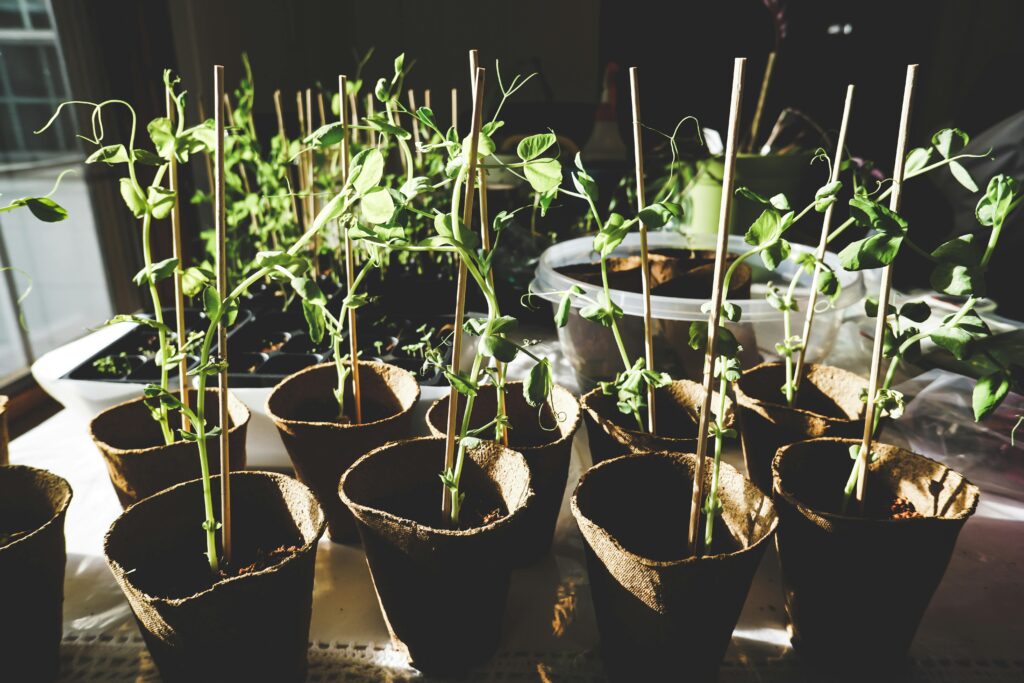
What Does “Cold-Hardy” Really Mean?
A cold-hardy seed is one that:
- Germinates at lower soil temperatures
- Tolerates cool air and occasional frost
- Matures reliably in shorter daylight hours
Not all vegetables have these traits. Many warm-season crops like tomatoes, peppers, and beans struggle once temperatures fall below a threshold. Cold-hardy vegetables, on the other hand, are biologically adapted to thrive as conditions cool.
How Cold-Hardy Seeds Help You Grow Longer
Growing vegetables beyond summer expands your harvest window. The benefits of cold-hardy crops include:
- Extended harvest season — fresh produce later into fall/winter
- Fewer pests — many insects are less active in cool weather
- Improved flavor — some greens taste sweeter after cool periods
- Lower maintenance — cool-season crops often need less frequent watering
Cold-hardy seeds make these advantages possible, allowing gardeners to get more from their space without guessing which seeds will actually grow.
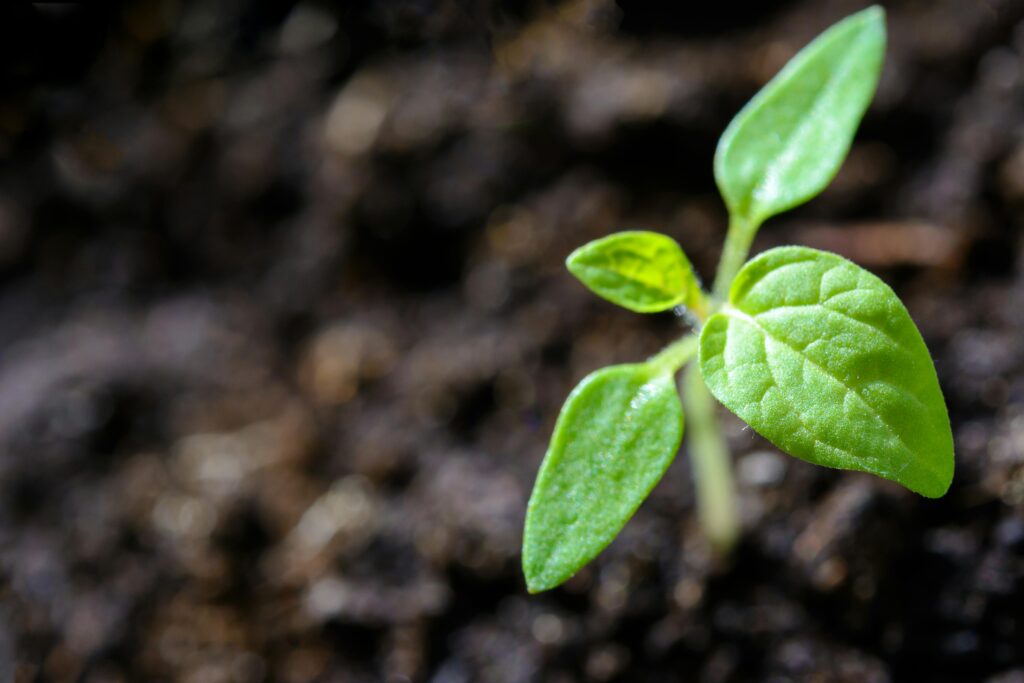
Examples of Cold-Hardy Vegetables
While seed catalogs contain dozens of options, cold-hardy crops commonly include:
- Kale — thrives in cool soil and often improves after light frost
- Spinach — germinates well in cooler ground
- Swiss chard — tolerates temperature swings
- Carrots — develop sweetness in cool conditions
- Beets — root crops that store energy in cold weather
- Broccoli & Cabbage — brassicas that resist chill
These types of seeds are often included in fall seed collections because they reliably crop in less favorable conditions.
What Makes a Good Fall Seed Bank
A quality fall seed bank should include:
- Varieties suited for cool soil temperatures
- Heirloom & open-pollinated seeds
- Seeds that can be saved for future planting
- A range of vegetable types (greens, roots, brassicas)
The idea is simple: instead of buying a random mix of seeds, you get a curated selection tailored for the season.
How the SeedsNow Fall Seed Bank Fits In
The SeedsNow Fall Seed Bank is designed to take the guesswork out of cold-season gardening. Rather than researching and selecting individual cold-hardy varieties yourself, this seed bank delivers a bundle that focuses on plants known to perform well as temperatures drop.
Key benefits include:
- Multiple cold-hardy varieties in one bundle
- Non-GMO, open-pollinated heirloom seeds
- Organized packaging for easy planting
- Suitable for beds, containers, or raised gardens
For gardeners who want reliable cold-season growth without experimenting with dozens of solo packets, this setup is useful.
Tips for Growing Cold-Hardy Seeds
Using cold-hardy seeds is only part of the equation. Here are a few tips to help you succeed:
1. Plant at the right time
Cool-season crops need enough time to grow before hard freezes. Aim to plant several weeks before your average first frost.
2. Prepare your soil
Loosen and amend soil with compost for good drainage and nutrient availability.
3. Protect seedlings
Consider light covers or row cloth during extra-cold nights.
4. Water appropriately
Cool-season crops need moisture — but avoid waterlogging.
These practices, combined with the right seed selection, increase your chances of a successful fall/winter garden.
Is a Seed Bank Worth It?
If you’re new to cool-season gardening or just want an organized variety of seeds without the hassle of choosing each one yourself, a seed bank is worth considering.
The SeedsNow Fall Seed Bank offers:
- Diversity of cold-hardy seeds
- Convenience in one purchase
- A good starting point for winter gardening
It’s not just for beginners — even experienced gardeners appreciate having a curated set of seeds designed for fall and winter growing conditions.
Final Thoughts
Cold-hardy seeds open the door to productive gardening when many others shut their tools away for the season. By choosing varieties suited for cooler soil and shorter days, you can harvest fresh vegetables long after summer ends.
The SeedsNow Fall Seed Bank provides a practical way to access a range of cold-hardy seeds without guesswork. Whether you’re growing in beds or containers, this seed bank gives you a structured start to gardening in cooler months.
Click below to check current pricing, seed varieties included, and availability on the official SeedsNow website.
This post may contain affiliate links. If you purchase through them, I may earn a small commission at no extra cost to you.