Spring and summer are the most productive gardening seasons of the year. Warm temperatures, longer daylight hours, and faster growth make it possible to grow a wide variety of vegetables at home. The biggest challenge for many gardeners isn’t planting — it’s deciding what to plant and when.
Using a spring and summer seed bank can simplify that decision by providing a curated selection of warm-weather crops designed to grow well together. This guide breaks down what to plant in spring and summer and how a seed bank can make the process easier.
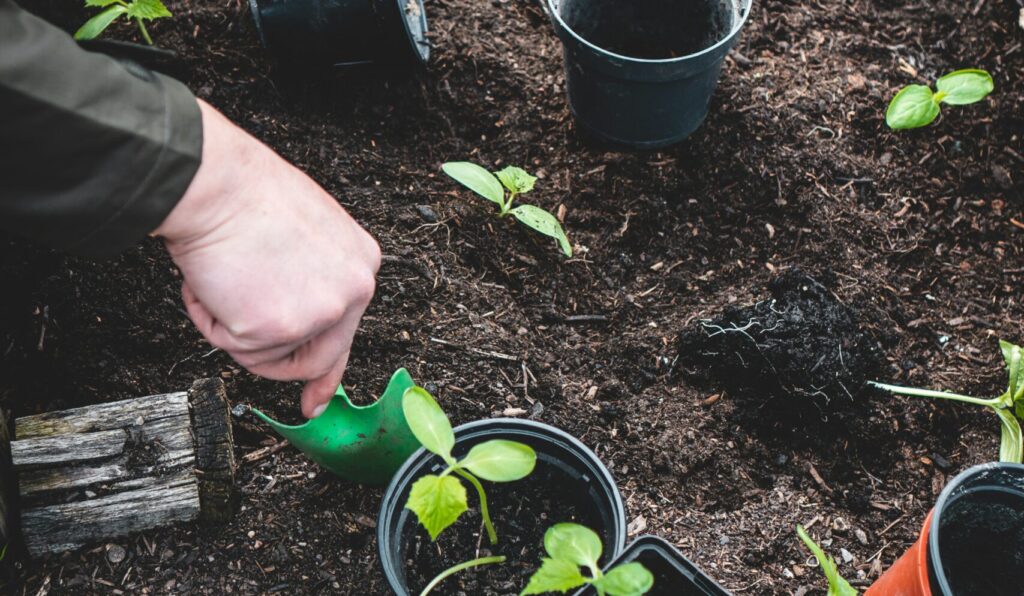
Why Spring and Summer Are Ideal for Gardening
Spring and summer gardening offers several advantages:
- Warm soil encourages fast germination
- Long days support strong plant growth
- A wide range of vegetables thrive in heat
- High yields are possible with proper care
Because conditions are favorable, these seasons are ideal for both beginners and experienced gardeners.
Understanding Warm-Season Vegetables
Warm-season vegetables are crops that require higher temperatures to grow and cannot tolerate frost. These plants thrive once soil temperatures rise and continue producing throughout summer.
Common characteristics include:
- Heat tolerance
- Rapid growth in full sun
- Longer harvest periods
A spring & summer seed bank focuses on these types of vegetables.
What to Plant in Spring and Summer
🍅 Fruiting Vegetables
These vegetables love heat and sunshine and are staples of summer gardens.
Common choices include:
- Tomatoes
- Peppers
- Cucumbers
- Squash
- Zucchini
- Eggplant
They typically produce throughout the season when given proper care.
🌽 Beans and Legumes
Beans grow quickly in warm soil and are easy to manage.
Examples:
- Bush beans
- Pole beans
They are great for beginners and help improve soil health.
🌿 Herbs
Many herbs thrive in spring and summer conditions.
Popular options include:
- Basil
- Cilantro
- Dill
- Parsley
Herbs grow well in containers and garden beds alike.
🍉 Larger Warm-Season Crops
For gardeners with more space, spring and summer are perfect for crops like:
- Melons
- Corn
- Pumpkins
These plants require more room but reward growers with large harvests.

Why Use a Seed Bank for Spring and Summer?
Choosing individual seed packets can be time-consuming and confusing, especially for beginners. A spring & summer seed bank removes much of that complexity.
Benefits include:
- Pre-selected seeds suited for warm weather
- Crops that grow well together
- Reduced planning and research time
- Better success for new gardeners
Instead of guessing, gardeners can focus on planting and care.
When to Plant Spring and Summer Crops
Timing is critical for warm-season gardening.
General guidelines:
- Plant after the last expected frost date
- Start heat-loving crops indoors if needed
- Stagger plantings for continuous harvests
Seed banks typically include varieties that fit well within these timelines.
How to Use a Seed Bank Successfully
1️⃣ Prepare the soil
Warm-season crops thrive in loose, nutrient-rich soil. Add compost if possible.
2️⃣ Provide plenty of sunlight
Most spring and summer vegetables need 6–8 hours of direct sun daily.
3️⃣ Water consistently
As temperatures rise, regular watering becomes essential.
4️⃣ Monitor plant spacing
Crowding plants can reduce yields — follow spacing guidelines on seed packets.
Who Should Use a Spring & Summer Seed Bank?
A seed bank is especially useful for:
- Beginner gardeners
- Home gardeners with limited planning time
- Raised-bed and container gardeners
- Anyone wanting variety without complexity
It provides structure while still allowing flexibility.
Is a Spring & Summer Seed Bank Worth It?
For gardeners who want a simple way to grow a wide range of warm-weather vegetables, a seed bank is often worth considering. It simplifies seed selection, supports better planning, and increases the likelihood of success throughout the season.
The SeedsNow Spring & Summer Seed Bank is one example of a curated collection designed specifically for warm-weather gardening.
Final Thoughts
Knowing what to plant in spring and summer is the foundation of a successful garden. By focusing on warm-season vegetables and using a pre-selected seed bank, gardeners can remove guesswork and grow with confidence.
If you want an easier way to decide what to plant and when during the warm months, a spring & summer seed bank can be a practical and beginner-friendly solution.
Click below to check current pricing, seed varieties included, and availability on the official SeedsNow website.
This post may contain affiliate links. If you purchase through them, I may earn a small commission at no extra cost to you.