Warm weather brings longer days, abundant sunshine, and some of the most satisfying harvests of the year. Whether you’re a first-time gardener or looking to streamline your planting efforts, spring and summer gardening can be incredibly rewarding — and a little simpler than many people expect.
One way to make warm-season gardening even easier is by using a spring & summer seed bank — a curated collection of seeds chosen specifically for these seasons. In this article, we’ll take a clear look at how this tool can support your gardening goals and make planting simple.

Why Spring and Summer Are Ideal for Gardening
Spring and summer offer several advantages for growing vegetables:
- Warm soil promotes fast germination
- Long daylight hours support vigorous growth
- A wide variety of crops thrive in heat
- Continuous harvests are possible with proper care
Because of these conditions, warm-season gardening is often more forgiving than fall or winter planting, especially for beginners.
What Is a Spring & Summer Seed Bank?
A seed bank in this context is a bundled selection of vegetable seeds that are ideal for planting during spring and summer. Instead of selecting individual packets one by one, gardeners receive a set of seeds that complement each other and are suited for the same growing conditions.
This removes a lot of guesswork and helps gardeners:
- Plan their garden easily
- Ensure seed compatibility with weather
- Focus on planting and care instead of research
Benefits of Using a Seed Bank
Here’s why many gardeners — especially beginners — prefer using a seed bank:
🌱 Convenience
You don’t have to research each type of seed. The pack includes a curated mix that works for warm weather.
🍅 Variety Without Overwhelm
Instead of buying 10–15 individual packets, you get a balanced collection that grows well together.
🌿 Time Saved on Planning
Garden layout, timing, and crop compatibility are already simplified.
🧑🌾 Beginner-Friendly
Even if you’ve never planted a seed before, a seed bank gives you confidence in what you’re growing.
What Kinds of Seeds Are in a Warm-Season Seed Bank?
While the exact contents of warm-season seed banks vary, they typically include heat-loving vegetables such as:
- Tomatoes — A summer staple that thrives in warmth
- Peppers — Sweet and hot varieties that love sun
- Cucumbers — Fast growers with crunchy harvests
- Squash & Zucchini — Prolific plants for summer gardens
- Beans — Easy, high-yield crops
- Melons — Warm-season fruits for backyard gardens
These crops complement each other well and make for a diverse and productive warm-season garden.
How to Use Your Seed Bank for Simple Gardening
Here’s a simple step-by-step approach:
1️⃣ Know Your Frost Dates
Warm-season seeds should be planted after your last expected frost date so they’re not damaged by cold.
2️⃣ Prepare Good Soil
Loosen soil and add compost if available. Warm-season plants like rich, well-drained beds.
3️⃣ Provide Sunlight
Most warm-season crops require 6–8+ hours of direct sun daily.
4️⃣ Water Smartly
Young plants need moisture regularly, but avoid waterlogging — especially in heat.
5️⃣ Support Growth
Stake tall plants like tomatoes and provide room for sprawling crops like squash.
This simple routine boosts success rates dramatically.
Who Benefits Most From a Warm-Season Seed Bank?
A seed bank works well for:
- New gardeners who want guided planting choices
- Busy gardeners who want to simplify planning
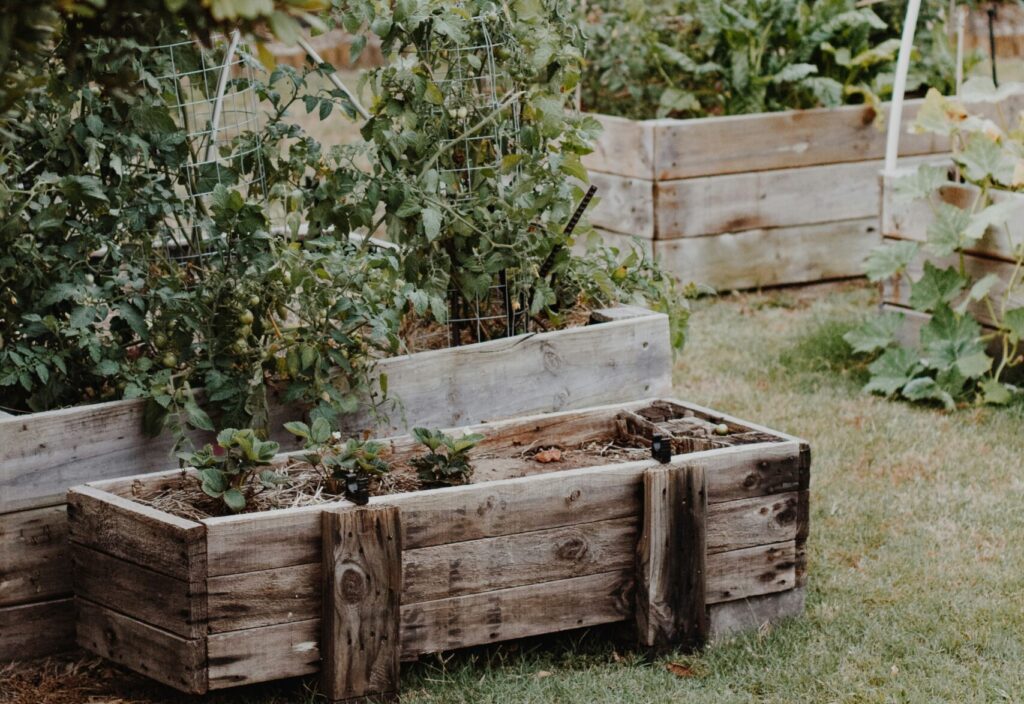
- People with raised beds or limited space
- Anyone who wants a productive garden without confusion
It’s a tool that supports doing more than deciding, and that’s why it’s so appealing.
Is the SeedsNow Spring & Summer Seed Bank Worth It?
For gardeners who want simplicity, variety, and reliability, a spring & summer seed bank can be a great choice. It reduces the guesswork of seed selection and lets you focus on planting, nurturing, and harvesting your crops.
The SeedsNow Spring & Summer Seed Bank provides a curated bundle of seeds chosen to thrive in warm weather — making it a practical option for both beginners and seasoned gardeners who want to streamline their planting process.
Final Thoughts
Growing vegetables in spring and summer doesn’t have to be complicated. With the right seeds, a bit of preparation, and some consistent care, you can enjoy an abundant, colorful, and productive garden.
If you want an easier way to decide what to plant and how to plan your warm-season garden, a seed bank is a useful tool to consider.
Click below to check current pricing, seed varieties included, and availability on the official SeedsNow website.
This post may contain affiliate links. If you purchase through them, I may earn a small commission at no extra cost to you.