Spring is the most popular time to start a garden — and for good reason. Warmer temperatures, longer days, and fresh soil create ideal conditions for growing vegetables. But for beginners, spring gardening can still feel confusing: what to plant, when to plant, and how to avoid mistakes.
One of the easiest ways to simplify spring gardening is by using a seed bank — a curated collection of seeds chosen to grow well together during the spring and summer season.
This guide walks you through spring gardening step by step and explains how a seed bank can help beginners grow vegetables with confidence.
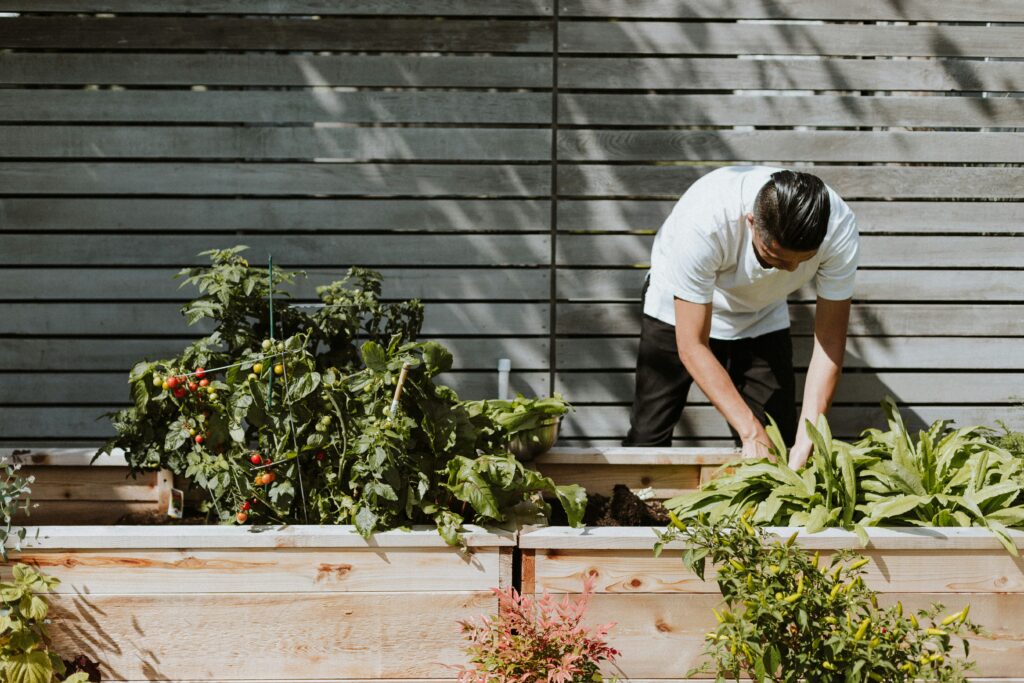
Why Spring Is the Best Time for Beginners to Start Gardening
Spring offers forgiving conditions that make learning easier:
- Soil is warming but not too hot
- Plants grow faster with increasing daylight
- Many vegetables thrive in mild spring weather
- Mistakes are easier to recover from
For beginners, spring provides the best balance between growth speed and plant resilience.
What Is a Seed Bank?
In home gardening, a seed bank is a bundle of seed packets selected for a specific season or growing goal. Instead of choosing individual seeds one by one, gardeners receive a mix that’s already designed to work well together.
A spring seed bank typically includes:
- Warm-season vegetables
- Easy-to-grow varieties
- Seeds suited for spring planting timelines
This removes guesswork and helps beginners focus on learning the basics.
What Vegetables Are Best for Spring Gardening?
Spring gardens usually focus on warm-season vegetables planted after the risk of frost has passed.
Common beginner-friendly spring vegetables include:
🍅 Fruiting Vegetables
- Tomatoes
- Peppers
- Cucumbers
- Squash
These crops grow quickly once temperatures rise and are rewarding for beginners.
🫘 Beans
Beans are one of the easiest vegetables to grow in spring.
Why they’re great for beginners:
- Fast germination
- Minimal maintenance
- High yields
🌿 Herbs
Many herbs thrive in spring conditions.
Popular options:
- Basil
- Dill
- Cilantro
- Parsley
Herbs are perfect for containers and small gardens.
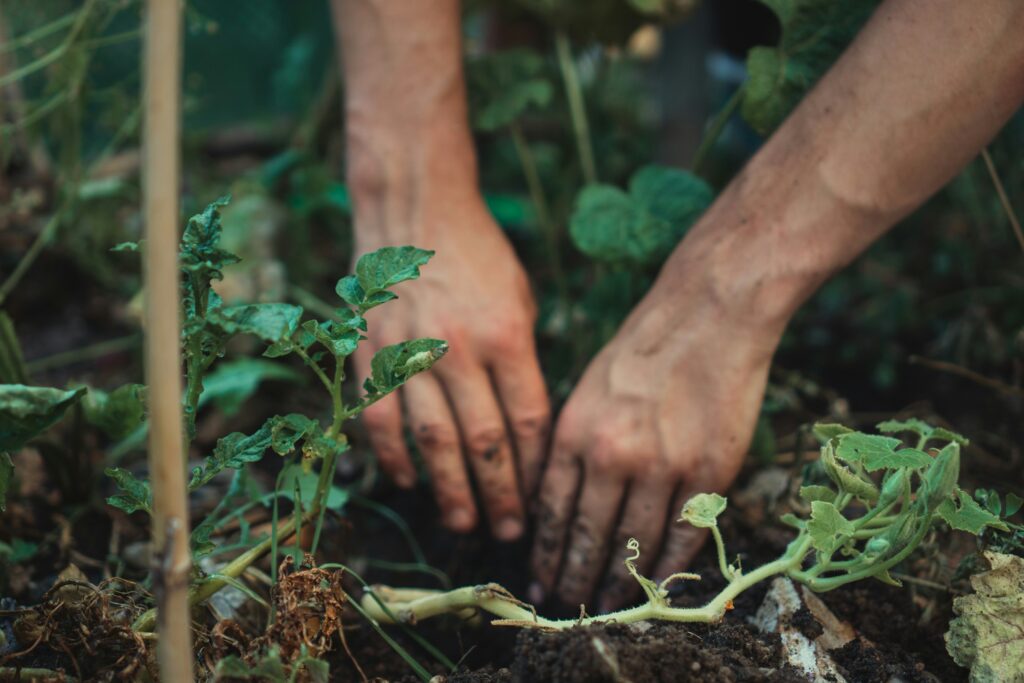
Why Beginners Should Use a Seed Bank
For new gardeners, choosing seeds is often the hardest part. A seed bank simplifies the process by offering seeds that are:
- Suitable for the same season
- Compatible with similar growing conditions
- Easy to grow
Key benefits for beginners:
- Less research required
- Fewer planting mistakes
- More variety without overwhelm
- Better chance of early success
Instead of worrying about what might work, you can focus on planting and care.
Step-by-Step: How to Start a Spring Garden
1️⃣ Know Your Frost Date
Wait until after your last expected frost before planting warm-season seeds outdoors.
2️⃣ Choose a Sunny Spot
Most spring vegetables need 6–8 hours of direct sunlight daily.
3️⃣ Prepare the Soil
Loosen soil and mix in compost or organic matter for better drainage and nutrients.
4️⃣ Plant According to Instructions
Follow the spacing and depth guidelines on each seed packet.
Beginner tip: Don’t overcrowd — plants need space to grow.
5️⃣ Water Consistently
Water regularly, especially during dry spells, but avoid soaking the soil.
Common Beginner Mistakes to Avoid
- Planting too early before frost
- Overwatering
- Crowding plants
- Choosing seeds not suited for spring
Using a seed bank helps avoid many of these mistakes because the seed selection is already season-appropriate.
Is a Spring Seed Bank Worth It for Beginners?
For most beginners, yes. A spring seed bank offers structure, simplicity, and confidence — all important when learning something new.
The SeedsNow Spring & Summer Seed Bank is one example of a curated collection designed to help gardeners grow a variety of vegetables during the warm season without overcomplicating the process.
Final Thoughts
Spring gardening doesn’t require experience or advanced skills. With basic preparation, consistent care, and the right seeds, beginners can grow fresh vegetables successfully.
Using a seed bank makes the process easier by removing guesswork and providing a reliable starting point. If you’re new to gardening and want a simple way to grow vegetables this spring, a seed bank can be a practical and beginner-friendly solution.
Click below to check current pricing, seed varieties included, and availability on the official SeedsNow website.
This post may contain affiliate links. If you purchase through them, I may earn a small commission at no extra cost to you.