Starting a homestead garden can feel overwhelming, especially if your goal is to grow food throughout the year instead of just one season. Questions like what to plant, when to plant, and how to plan ahead stop many beginners before they even start.
The good news is that homestead gardening doesn’t need to be complicated. One of the simplest ways to get started is by using a seed bank — a curated collection of seeds designed to support ongoing, multi-season food production.
This beginner guide explains how a seed bank works and how it can help you grow food year-round with less guesswork.
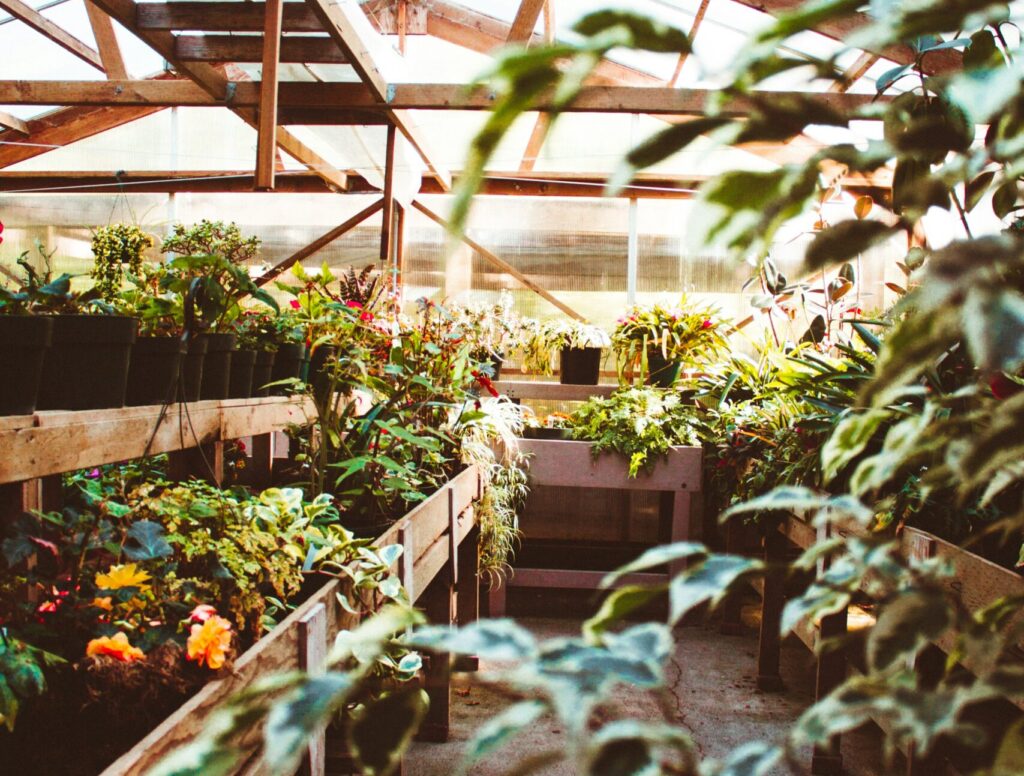
What Is Homestead Gardening?
Homestead gardening focuses on growing food consistently, not just seasonally. Instead of planting once and stopping, homestead gardeners aim to:
- Grow different crops across multiple seasons
- Produce a variety of foods
- Reduce dependence on store-bought produce
- Build long-term gardening skills
You don’t need land or animals to start — even small gardens, raised beds, or containers can support homestead-style growing.
Why Beginners Struggle With Year-Round Gardening
Most beginners run into the same problems:
- Buying the wrong seeds for the season
- Planting everything at once
- Not planning ahead for the next season
- Getting overwhelmed by too many choices
This is where a seed bank becomes extremely helpful.
What Is a Seed Bank (For Home Gardeners)?
In home gardening, a seed bank is a bundled collection of seed packets selected to work well together. Instead of choosing individual seeds, you get a mix designed for different planting times and conditions.
A homestead seed bank typically includes:
- Warm-season crops
- Cool-season crops
- Fast-growing vegetables
- Longer-term staple crops
This allows beginners to plant in stages instead of all at once.
How a Seed Bank Supports Year-Round Food
A seed bank helps beginners plan their garden like a system rather than a one-time project.
🌱 Spring
Plant early greens and quick growers to get your first harvests.
☀️ Summer
Grow heat-loving crops like tomatoes, beans, squash, and peppers.
🍂 Fall
Switch back to cool-season crops like kale, carrots, and spinach.
❄️ Winter (Mild Climates or Planning Phase)
Use cold-tolerant crops, protect beds, and plan next plantings.
With a seed bank, you already have seeds for each stage — no extra shopping required.
What Beginners Should Grow First
When starting out, focus on:
- Easy crops
- High yield
- Short growing times
Great beginner crops often include:
- Lettuce and leafy greens
- Radishes and carrots
- Beans
- Tomatoes and squash
These are commonly included in homestead seed banks because they’re forgiving and productive.
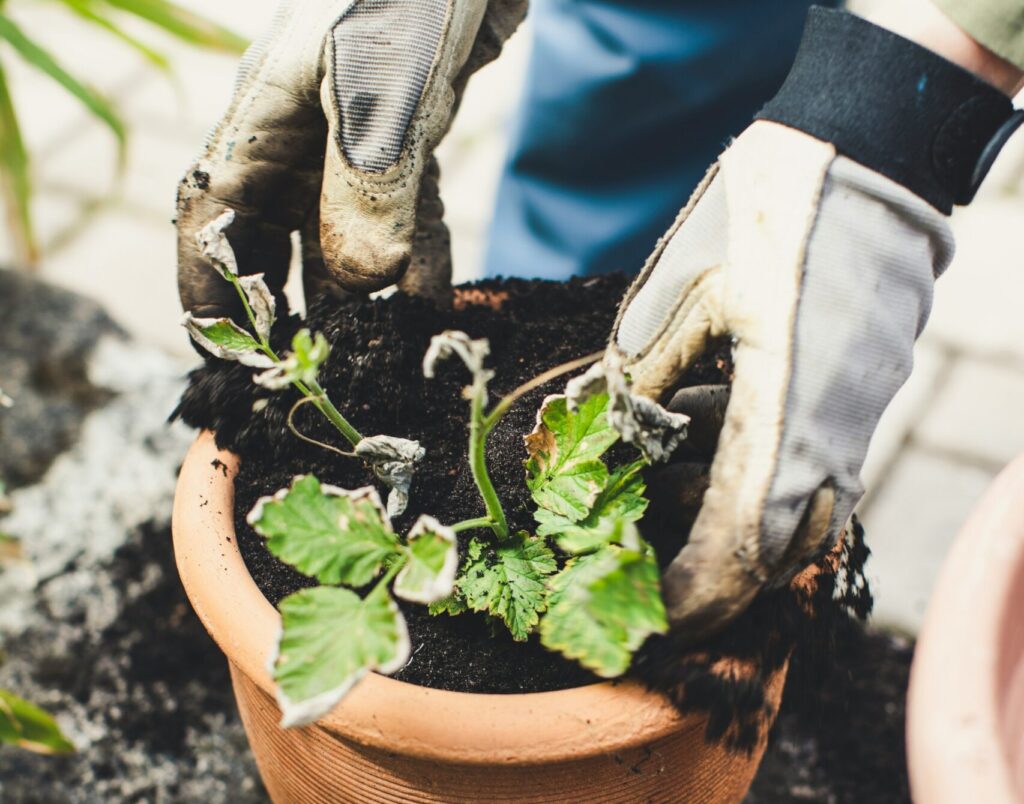
Benefits of Using a Seed Bank as a Beginner
✔ Less Guesswork
Seeds are already chosen for compatibility and seasons.
✔ Better Variety
You grow different foods instead of relying on one crop.
✔ Lower Stress
You don’t have to research every seed before planting.
✔ Long-Term Planning
You’re set up for multiple seasons, not just one.
How to Use a Seed Bank Step by Step
1️⃣ Start Small
Don’t plant everything at once. Pick a few crops per season.
2️⃣ Follow Seed Packet Instructions
Planting depth, spacing, and timing still matter.
3️⃣ Keep Notes
Track what you plant and when — this helps next season.
4️⃣ Rotate Crops
Switch planting areas each season to protect soil health.
Why Homestead Seed Banks Work So Well
Homestead seed banks are designed to:
- Encourage crop diversity
- Support continuous harvests
- Reduce beginner mistakes
- Build confidence over time
Instead of reacting each season, you’re planning ahead, which is the key to year-round food production.
The SeedsNow Homestead Seed Bank is one example of a curated collection built for this purpose — offering a wide variety of vegetables suitable for long-term gardening.
Is a Seed Bank Worth It for Beginners?
For beginners interested in homestead gardening, a seed bank is often one of the best starting points. It simplifies decisions, supports learning, and makes year-round gardening achievable instead of overwhelming.
You can always add individual seeds later once you gain experience.
Final Thoughts
Homestead gardening doesn’t require perfection — it requires consistency and planning. Using a seed bank gives beginners a clear structure to follow while learning how to grow food across seasons.
If your goal is to build a garden that produces food throughout the year, starting with a seed bank can make the process easier, more organized, and far more enjoyable.
Click below to check current pricing, seed varieties included, and availability on the official SeedsNow website.
This post may contain affiliate links. If you purchase through them, I may earn a small commission at no extra cost to you.