Homestead gardening isn’t about planting once and hoping for the best — it’s about timing, balance, and planning across seasons. Knowing when to plant and what to plant is the difference between a short harvest and a productive garden that feeds you for much of the year.
A homestead seed bank makes this process easier by providing seeds suitable for both spring and fall planting. In this guide, we’ll break down the differences between spring and fall homestead seed banks, what to plant in each season, and how to use both for year-round food production.
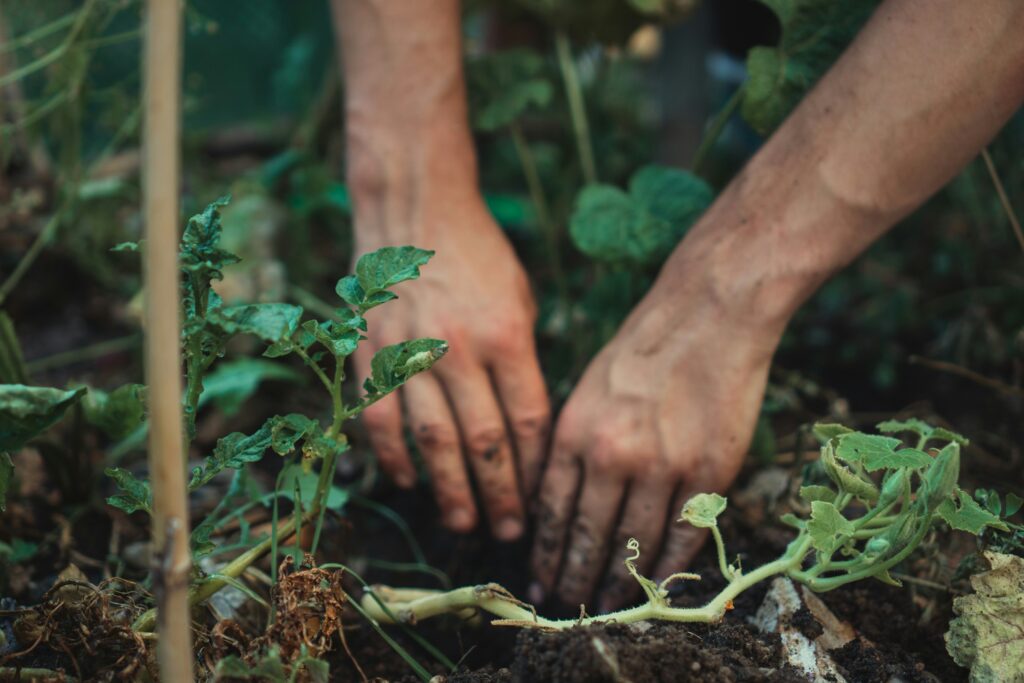
Why Seasonal Planting Matters for Homesteads
Different vegetables thrive under different conditions. Temperature, daylight length, and soil warmth all affect how well seeds germinate and grow.
Planting the right crops at the right time:
- Increases success rates
- Reduces wasted seeds
- Extends your harvest window
- Supports long-term food planning
Homestead gardening works best when you treat spring and fall as two distinct growing seasons.
Spring Homestead Seed Banks: When and What to Plant
🌷 When to Plant in Spring
Spring planting begins after your last expected frost date, when soil temperatures start to warm.
🌱 What to Plant in Spring
Spring homestead seed banks typically focus on warm-season crops that love heat and long daylight hours.
Common spring homestead crops include:
- Tomatoes
- Peppers
- Beans
- Cucumbers
- Squash and zucchini
- Corn and melons
These crops grow quickly and often produce heavily through summer.
Fall Homestead Seed Banks: When and What to Plant
🍂 When to Plant in Fall
Fall planting usually begins in late summer or early fall, depending on your climate. The goal is to plant early enough for crops to mature before hard frost.
🌿 What to Plant in Fall
Fall homestead seed banks focus on cool-season crops that tolerate lower temperatures and shorter days.
Common fall homestead crops include:
- Leafy greens (lettuce, spinach, kale)
- Root vegetables (carrots, beets, radishes)
- Brassicas (broccoli, cabbage, cauliflower)
Many of these crops improve in flavor when grown in cooler weather.
Key Differences Between Spring and Fall Homestead Seed Banks
🌡 Temperature Tolerance
- Spring seeds thrive in warm soil
- Fall seeds germinate in cooler conditions
⏱ Growth Speed
- Spring crops often take longer to mature
- Fall crops are usually faster and more efficient
🐛 Pest Pressure
- Spring and summer bring more pests
- Fall gardens typically have fewer insects
💧 Water Needs
- Warm-season crops require frequent watering
- Cool-season crops need less moisture
Understanding these differences helps homesteaders plan more effectively.
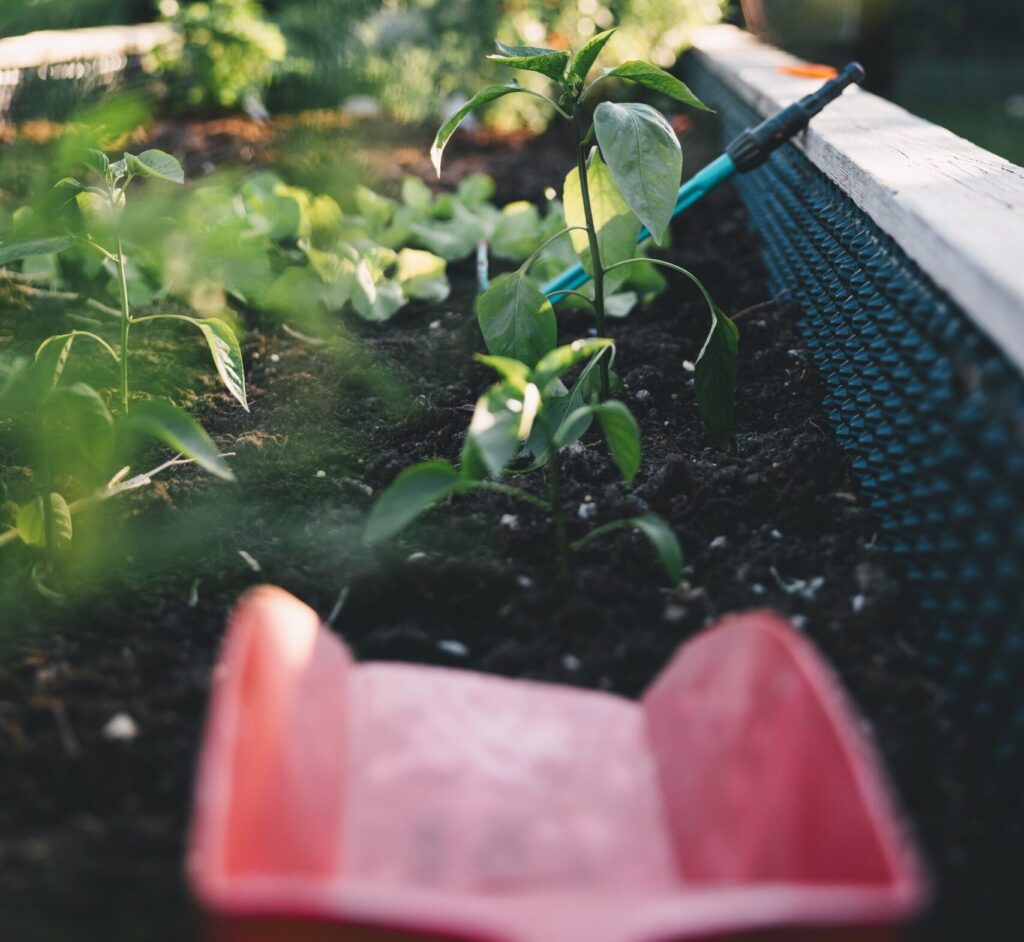
How to Use Both for Year-Round Food
Instead of choosing between spring or fall, many homesteaders use both.
A simple homestead planting cycle:
- Early spring: Plant spring seed bank crops
- Summer: Harvest warm-season vegetables
- Late summer: Start fall crops
- Fall: Harvest cool-season vegetables
- Winter: Plan and prepare for next season
This approach maximizes garden space and food output.
Why a Homestead Seed Bank Makes Planning Easier
Homestead seed banks are designed to:
- Include crops for multiple seasons
- Reduce decision fatigue
- Support continuous planting
- Simplify long-term planning
Instead of buying seeds every season, you already have a curated selection ready to go.
The SeedsNow Homestead Seed Bank provides this flexibility by offering a diverse mix of seeds suitable for both warm and cool seasons.
Common Mistakes to Avoid
- Planting spring crops too early
- Waiting too long to plant fall crops
- Using warm-season seeds in cool weather
- Not planning ahead for the next season
A homestead seed bank helps avoid these mistakes by keeping seasonal planting in mind.
Final Thoughts
Successful homestead gardening isn’t about choosing between spring or fall — it’s about using both seasons intentionally. By understanding when to plant and what crops belong in each season, you can grow food for more months of the year.
A homestead seed bank supports this approach by giving you the right seeds at the right time, all in one collection. If your goal is consistent, long-term food production, learning how to use spring and fall planting together is essential.
Click below to check current pricing, seed varieties included, and availability on the official SeedsNow website.
This post may contain affiliate links. If you purchase through them, I may earn a small commission at no extra cost to you.