If you’re tired of weed and leaves filling your driveway gaps, this simple method will help you seal cracks and stop weed growth for good, making your driveway tidy.
This step by step method will help you seal your driveway gaps properly so weeds stop growing in them.
Most homeowners use this method for a clean, durable result.
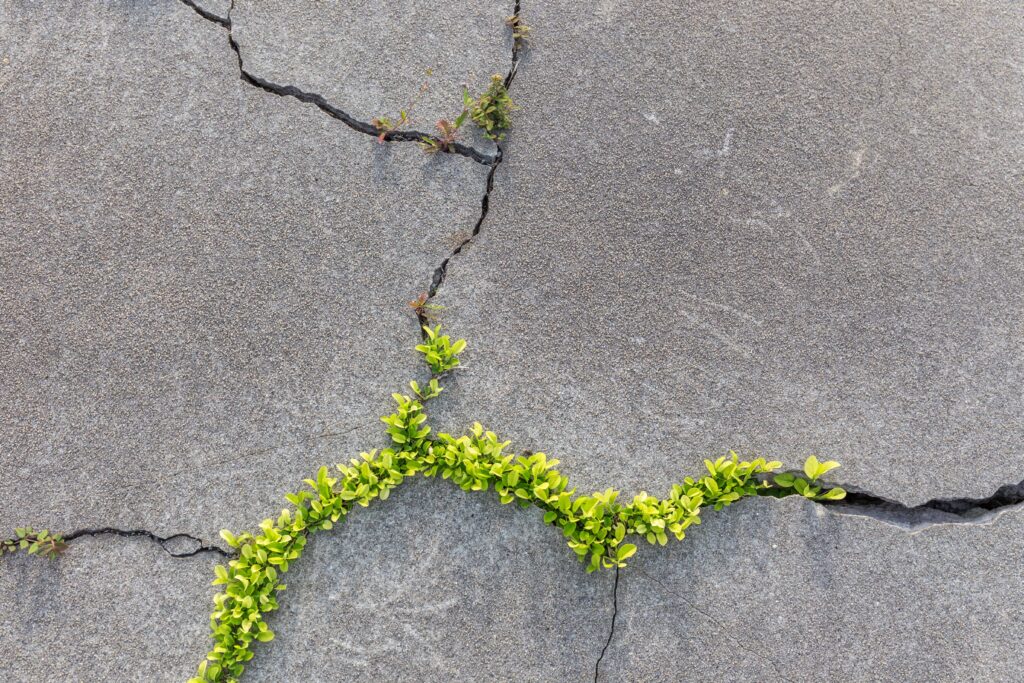
Why weeds keep coming back in driveway gaps
Driveway joints are designed to expand and contract.
When they are left open or filled incorrectly:
- debris settles inside
- moisture gets trapped
- weed seeds take root
- cracks widen over time
Removing the weeds by hand, spraying them or sweeping only treats the symptom not the cause.
To never worry about weeds again, the gap needs to be cleaned, supported, and sealed.
What you’ll need before you start
For this DIY job, you only need basic tools and materials.
- A gap cleaning tool (hook, scraper, or flat tool)
- Backer rod (foam filler for joints)
- Fine sand
- A self-leveling concrete or masonry sealant
- A caulking gun
- Gloves
👉 You’ll find examples of these tools and materials linked below.
Step-by-Step: How to Seal Driveway Gaps the Right Way
Step 1: Clean out all debris
You need to fully clean the gap before sealing anything.
Remove:
- weeds
- leaves
- dirt
- loose material
This step is crucial. Sealant will fail if debris is left inside.
🛒 Recommended tool:
👉 Driveway crack cleaning hook / scraper
Step 2: Install a snug backer rod
Backer rod is a flexible foam rope that sits inside the gap.
Why it matters:
- controls how deep the sealant goes
- prevents wasting sealant
- allows proper expansion and contraction
Press it down evenly so it sits below the surface, not sticking out.
🛒 Recommended product:
👉 Foam backer rod (choose size slightly wider than your gap)
Step 3: Sprinkle fine sand along the sides
Lightly sprinkle fine sand into the gap.
This helps:
- stabilize the sides
- improve adhesion
- give the sealant a natural finish
Brush off excess sand from the surface.
🛒 Optional but helpful:
👉 Fine play sand or masonry sand
Step 4: Apply self-leveling concrete sealant
This is the most important step.
Use a self-leveling concrete or masonry sealant, not regular caulk.
Why self-leveling works better:
- flows evenly into the gap
- creates a smooth surface
- stays flexible over time
- resists weeds and water
Slowly apply the sealant, letting it level itself.
🛒 Recommended sealant:
👉 Self-leveling concrete & masonry sealant
🛒 Caulking gun:
👉 Heavy-duty caulking gun
Step 5: Sprinkle sand onto wet sealant
While the sealant is still wet, lightly sprinkle fine sand over the top.
This:
- improves grip
- helps the repair blend into the driveway
- reduces the “patched” look
Let everything cure according to the manufacturer’s instructions.
How long does this fix last?
This method lasts several years, if it’s done correctly.
It:
- blocks weed growth
- prevents debris buildup
- protects driveway edges
- reduces future cracking
Much longer-lasting than weed killers or quick fixes.
Common mistakes to avoid
- Skipping debris removal
- Using regular caulk instead of concrete sealant
- Overfilling the gap
- Not using backer rod
- Sealing when the surface is wet
Avoiding these mistakes makes all the difference.
Quick recommendation
If you want the cleanest, longest-lasting result:
- Use backer rod
- Choose a self-leveling sealant
- Take your time on prep
This method works for:
- driveways
- sidewalks
- garage slabs
- patio joints
Final thoughts
If weeds and leaves keep coming back in your driveway gaps, the problem isn’t maintenance — it’s that the gaps were never sealed properly.
I had been struggling with this problem and every year I had to clean the gaps at least 3 times a year. It’s been already 2 years since I filled the cracks and gaps and I can proudly say that this method solves the problem long-term.
This simple process fixes the root cause and keeps your driveway clean with minimal upkeep.
👉 Check the recommended tools and materials above to get started.
⚠️ Affiliate disclosure
Some links on this page are affiliate links. If you purchase through them, I may earn a small commission at no extra cost to you.