Seed banks can feel confusing at first for first time gardeners.
A lot of beginners aren’t sure what type of seed bank makes sense, when to use them and which one fits their garden.
Two of the most common options are:
- A Homestead (All-Season) Seed Bank
- A Fall/Winter Harvest Seed Bank
Both are useful — but for different goals.
I made this guide to help you choose the one that actually fits your needs.
What Is a Seed Bank?
A seed bank is a collection of open-pollinated, non-GMO seeds designed to be:
- Stored long-term
- Replanted year after year
- Used gradually or kept for emergencies
Seed banks are meant to:
- Simplify planting
- Reduce yearly seed costs
- Give you long-term food security
Option 1: The Homestead Seed Bank (All-Season)
Best for:
✔ Beginners who want a large variety
✔ Long-term food planning
✔ Growing across multiple seasons
Price: ~$99.99
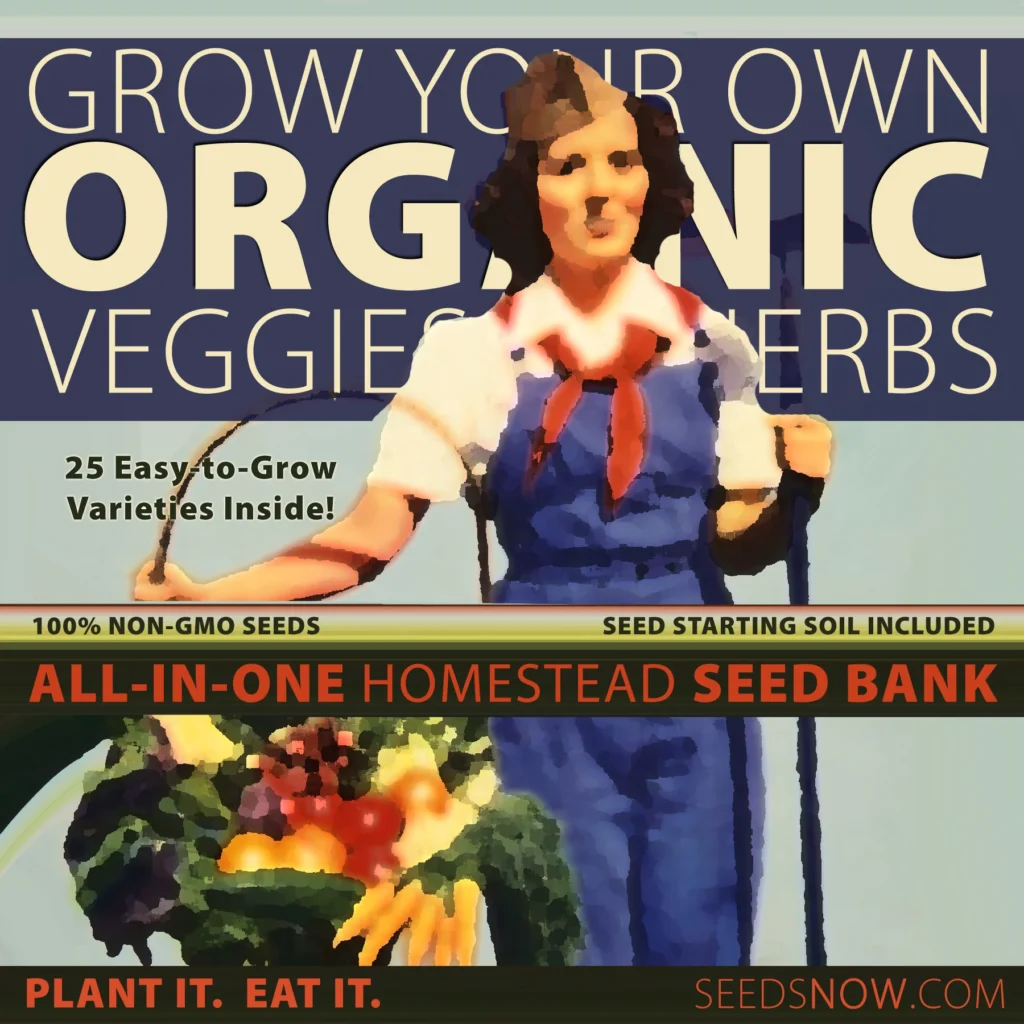
The Homestead Seed Bank includes 25 popular vegetable varieties and covers a wide range of growing conditions. It’s designed as a complete foundation.
What’s included:
- 25 different seed varieties
- Each variety individually packaged and labeled
- Resealable bags stored inside a heavy-duty Mylar bag
- Designed for long-term storage
- 25 seed-starting soil pods
- 100% non-GMO, open-pollinated seeds
Types of crops included:
This seed bank focuses on warm-season and all-purpose garden staples, such as:
- Tomatoes
- Peppers (sweet & hot)
- Beans
- Cucumbers
- Squash
- Melons
- Lettuce
- Kale
- Spinach
- Root vegetables
Giving the wide variety of seeds, this seed bank works well if you want:
- Flexibility
- Year-round planting options
- A single kit that covers many situations
👉 Check the Homestead Seed Bank here
Option 2: Fall & Winter Harvest Seed Bank
Best for:
✔ Cooler climates
✔ Fall and winter growing
✔ Cold-hardy crops
Price: ~$89.99
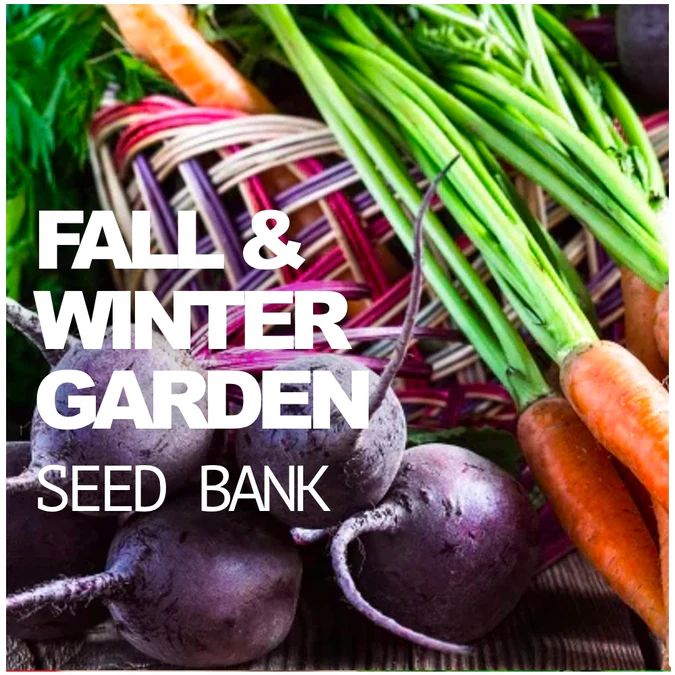
The Fall/Winter Seed Bank includes cold-tolerant crops specifiaclly designed for cooler months. Instead of focusing on all seasons, it offers a solid gardening experience when temperatures drop.
What’s included:
- 20 cold-hardy seed varieties
- Over 6,500 total seeds
- Individually packaged and labeled
- Stored in resealable bags inside a Mylar bag
- 25 seed-starting soil pellets
- Seeds can be saved and replanted across seasons
Types of crops included:
This seed bank focuses on:
- Broccoli
- Brussels sprouts
- Kale
- Swiss chard
- Carrots
- Lettuce
- Radishes
- Turnips
- Collards
- Cold-tolerant beans
These crops are ideal for:
- Fall planting
- Winter gardens with protection
- Early spring harvests
👉 Check the Fall/Winter Harvest Seed Bank here
Key Differences at a Glance
| Feature | Homestead Seed Bank | Fall/Winter Seed Bank |
|---|---|---|
| Seasons | All-season | Fall & winter |
| Variety count | 25 varieties | 20 varieties |
| Focus | General food production | Cold-weather crops |
| Storage | Long-term Mylar storage | Long-term Mylar storage |
| Beginner friendly | Yes | Yes |
| Price | ~$99.99 | ~$89.99 |
Which Seed Bank Should You Choose?
Choose the Homestead Seed Bank if:
- You want a single kit that covers many crops
- You’re planning long-term food growing
- You want flexibility across seasons
- You’re just starting and want variety
Choose the Fall/Winter Seed Bank if:
- You grow in a cooler climate
- You want to extend your growing season
- You focus on cold-hardy vegetables
- You already garden but want winter harvests
Neither option is “better” — they’re simply designed for different purposes.
A lot of gardeners decide to keep both seed banks, using one for warm months and one for cold seasons.
Final Thoughts
The Fall/Winter seed bank offers a solid variety of seeds that help keep your garden going during colder months. In my experience, I’ve tried both of these seed banks and found that they both work well depending on the season. If you’re a beginner, the all-season seed bank will give you an easier starting point. It will help you with the basics to expand into seasonal growing later on.
Seed banks are not about planting everything at once.
They’re about having options, reducing yearly costs, and building food security over time.
If you’re a beginner, start with the seed bank that matches your climate and season, not the one with the most hype.
If you want help getting started, I’ve put together a simple beginner gardening checklist below.
👉 Free Beginner Gardening Checklist