As a beginner, starting your gardening journey feels exciting.
You fantasize baskets of fresh food and a garden full of life. So naturally, many beginners think:
“If I’m doing gardening, might as well go all in.”
But this is the reason many new gardens fail within the first season.
Creating a big garden won’t give you better results. Starting a large garden often leads to weeds, unhealthy plants and burnout for the gardener.
Let’s discuss garden sizes for beginners and how starting small leads to faster success.
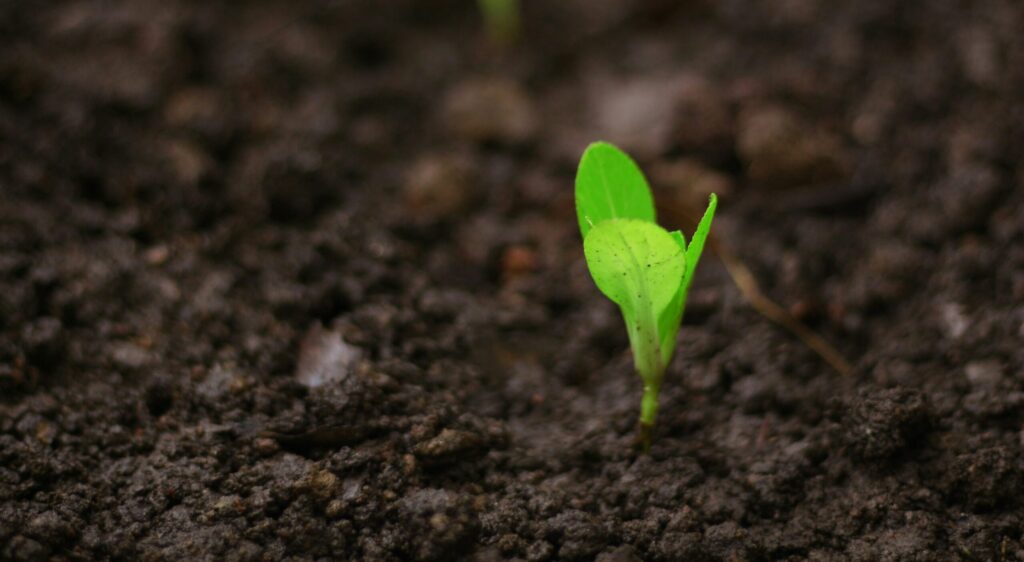
Why Big Gardens Usually Fail for Beginners
People sometimes don’t realise how much work a large and complex garden requires.
A bigger space means:
• More watering every day
• More weeding every week
• More soil preparation
• More time spent fixing problems
When other things in life need your attention, things slowly start to fail behind.
Weeds grow quickly.
Plants get stressed.
Harvests get smaller.
And before long, many beginners feel overwhelmed and give up entirely.
This isn’t because gardening is hard — it’s because the garden was too big to manage consistently.
The Ideal Garden Size for Your First Year
The ideal starter garden is simple, small and easy to maintain.
Instead of trying to fill your whole yard, start with:
• One raised bed
• A few containers or pots
• A small ground space (2–4 square meters is plenty)
This size is perfect for learning:
✔ How often to water
✔ How plants grow and spread
✔ How much sun different plants need
✔ How to spot problems early
Smaller gardens that get daily care will always win a big garden that gets neglected.
If you’re not sure what to plant in a small first garden, starting with a beginner-friendly seed collection can make things much easier. Instead of guessing, you get simple, reliable crops that grow well in compact spaces.
For example:
👉 All-in-One Tomato Garden Variety Pack – great for containers and small beds
👉 All-in-One Spring/Summer Garden Variety Pack – designed for simple beginner gardens
Why Starting Small Leads to Faster Success
Small gardens grow with the gardener, helping build inner confidence.
When your garden is manageable:
• You stay consistent
• You notice problems quickly
• You enjoy the process
• You see faster results
A manageable garden becomes fun and rewarding rather than stressful.
Once you’re comfortable with the basics, expanding your garden becomes easy — and much more successful.
Many experienced gardeners still use small focused garden spaces because they produce better harvests with less work.
A Simple Rule Every Beginner Should Follow
Here’s the easiest way to know if your garden is the right size:
If it feels easy to manage — it’s perfect.
If it feels overwhelming — it’s too big.
There is absolutely nothing wrong with starting small.
In fact, starting small is what most successful gardeners recommend.
Master a small space first.
Then grow bigger when you’re ready.
Beginner-Friendly Plants That Work Great in Small Gardens
If you’re starting with a smaller space, focus on easy plants like:
• Lettuce and leafy greens
• Tomatoes (especially in containers)
• Herbs like basil, mint, and parsley
• Radishes and carrots
• Peppers
These grow well in small areas and give quick rewards — which keeps motivation high.
Tools and Seeds That Make Starting Easier
Many beginners struggle simply because they use poor-quality seeds or overcrowd their garden.
Starting with reliable, beginner-friendly seeds and keeping your garden simple makes a huge difference in success.
Using dependable seed varieties doesn’t guarantee success — but it removes one of the most common beginner problems.
If you prefer starting with curated, beginner-friendly options instead of choosing varieties individually, these packs are designed for simple, manageable gardens:
👉 All-in-One Tomato Garden Variety Pack
👉 All-in-One Spring/Summer Garden Variety Pack
They’re built around reliable crops that perform well in small, first-year gardens.
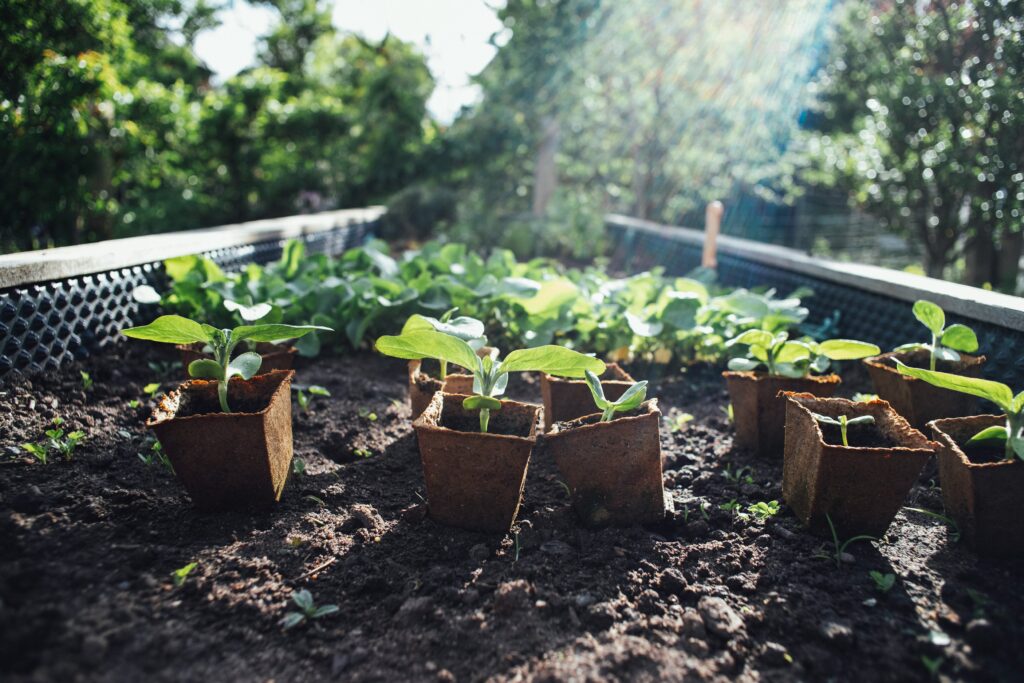
Free Beginner Gardening Checklist
Starting a garden doesn’t have to feel confusing or overwhelming.
I created a simple Beginner Gardening Checklist that covers:
✅ Choosing the right garden size
✅ When to plant safely
✅ Sunlight basics
✅ Common beginner mistakes to avoid
It helps you start the right way and grow with confidence.
👉 Get the free checklist here
New to gardening? These beginner guides will help you get started:
– How Much Sun Your Garden Really Needs
– Why Crowded Gardens Struggle
– Why Watering Schedules Kill Plants
– Raised Beds vs Containers vs Ground Gardens
🌱 Final Thought
When I was creating my first garden, I couldn’t decide how large I wanted it to be. The first time creating a garden felt overwhelming and almost led to a big mistake rather than a small successful journey. As a gardener, it’s better to plan your garden carefully, so you can provide stable conditions for your plants.
Big gardens look exciting — but small gardens create success.
Start with a space you can easily care for, learn the basics, enjoy the process, and grow bigger when you’re ready.
That’s how most great gardens begin.