When people get into gardening, they start wondering:
Should you start with raised beds, containers, or planting directly in the soil?
Choosing the right approach can make gardening enjoyable and simple.
The wrong one can easily make gardening frustrating and overwhelming.
In reality – there’s no such thing as a “perfect” option. Every gardening method has its pros and cons, and the best one depends on your personal situation.
Let’s take a look at all the options, break them down and help figure out the best one for you.
🌿 Containers — The Easiest Way to Start Gardening
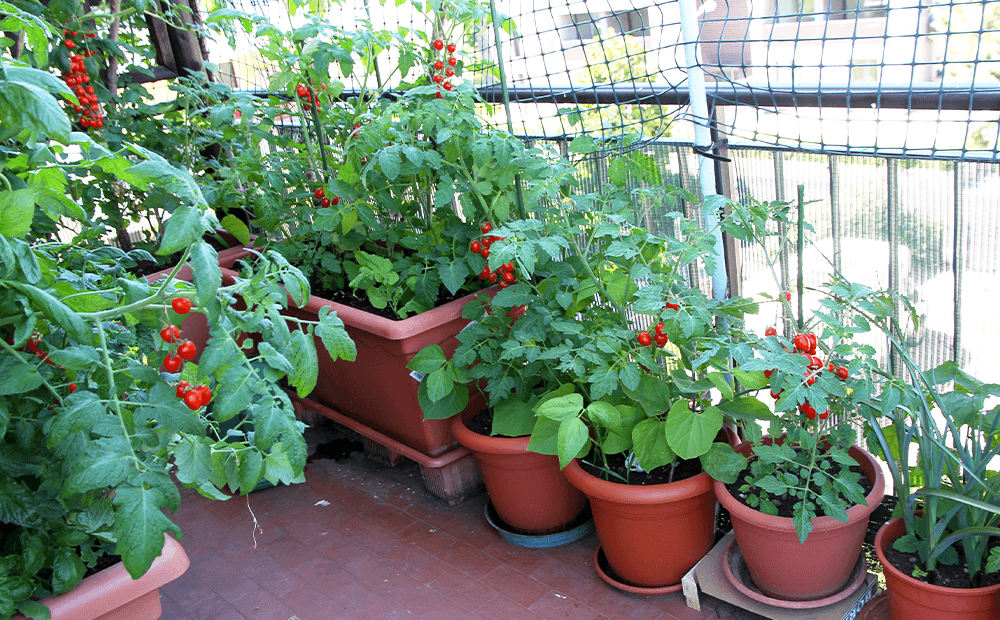


If your space is limited and you’re a beginner, container gardening is perfect for you.
You can easily grow your plants in buckets, pots, or planters on your balcony, or near windows.
✅ Why containers are great for beginners:
• Easy to manage
• Simple to move for better sunlight
• Perfect for herbs and small vegetables
• Great soil control
⚠ Downsides:
• Dry out faster than ground soil
• Need more frequent watering
• Limited growing space
Containers are the fastest and simplest way to start gardening — especially if you’re short on space.
🪵 Raised Beds — Best Long-Term Beginner Option


Raised beds are garden boxes filled with good soil, usually placed on top of the ground.
Raised beds are garden boxes filled with rich and nutritious soil. They are usually placed on top of the ground.
They’re extremely popular in gardening.
✅ Why raised beds work so well:
• Excellent drainage
• Better soil quality control
• Warm up faster in spring
• Stronger, healthier plants
• Fewer weeds
⚠ Downsides:
• Require some setup
• Slight upfront cost
Once built, raised beds are one of the easiest and most productive ways to garden long term — especially for beginners.
🌱 In-Ground Gardens — Natural but Soil-Dependent
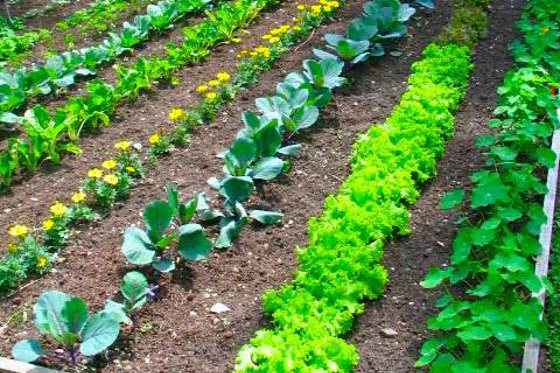
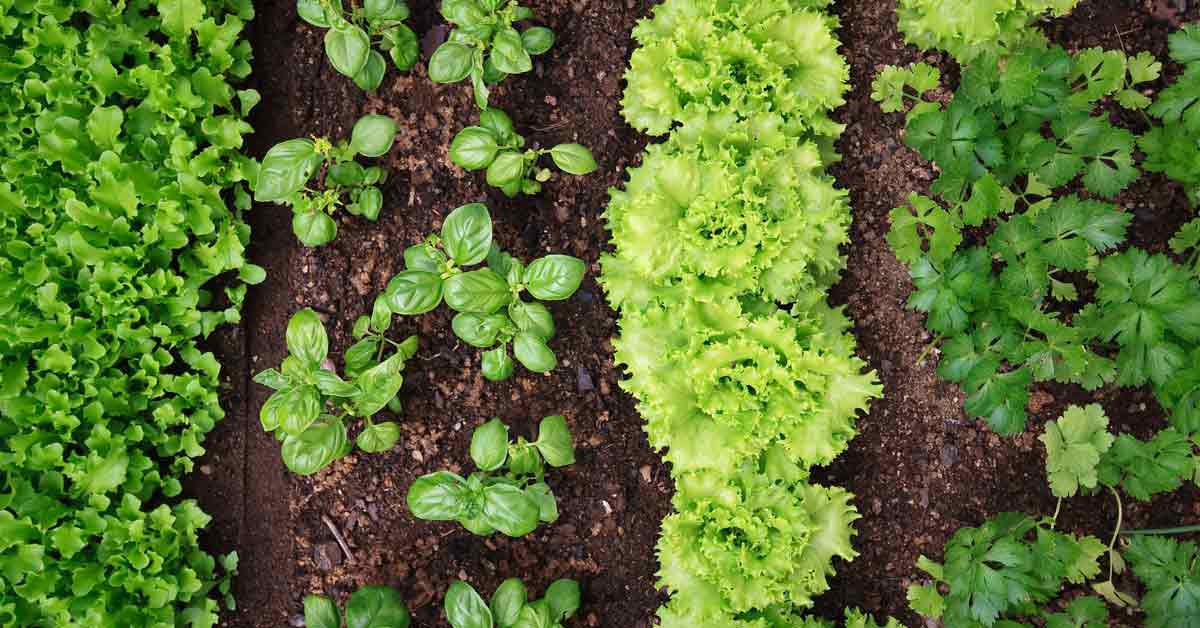
Planting in the ground is the most common gardening method.
It works great — only if your soil is already healthy.
✅ Why ground gardens can be great:
• Less watering needed
• More space to grow
• No containers or building required
⚠ Downsides:
• Poor soil can limit growth
• Drainage problems in some areas
• More weeds
If your soil is rich and drains well, in-ground gardening can work beautifully.
If your soil is hard, rocky, or sandy — it can make growing difficult.
🤔 So Which Is Best for Beginners?
Here’s the simple breakdown:
Containers → easiest to start
Raised beds → best long-term results
Ground gardens → great if soil is good
There’s no wrong choice — only the one that fits your situation.
Many beginners even combine methods over time.
🌱 Other Basics Matter More Than the Setup
No matter which option you choose, success comes from simple fundamentals:
• Proper watering
• Good plant spacing
• Enough sunlight
• Starting with manageable space
• Planting at the right time
When these basics are right, any garden type can thrive.
I have tried all three of these gardening styles and found that raised beds are the way to go. I believe the upfront work creating a raised garden is worth it long term but only if you plan to grow a large variety of plants. Otherwise the area quickly gets filled with weeds. I also have a small amount of potted plants, but the majority of them later get planted in a raised bed.
📋 Free Beginner Gardening Checklist
To make starting simple, I created a Beginner Gardening Checklist that helps you:
✅ Choose the right garden setup
✅ Avoid common beginner mistakes
✅ Water properly
✅ Plant at the right time
✅ Set up your garden the smart way
👉 Grab the free checklist here
New to gardening? These beginner guides will help you get started:
– How Much Sun Your Garden Really Needs
– Why Crowded Gardens Struggle
– Why Watering Schedules Kill Plants
– Raised Beds vs Containers vs Ground Gardens
– How Big Your First Garden Should Be
🌿 Final Thought
The best garden isn’t the fanciest one.
It’s the one that fits your space, time, and experience level — and that you can care for consistently.
Start simple.
Learn the basics.
Grow from there.