Beginners often plant their plants too close together, not realising it’s a bad thing.
Crowded gardens do look productive and full of potential, but over time they will begin to struggle, causing smaller harvests, not bigger.
Crowding makes the plants grow weaker and limits their growth, causing diseases.
Let’s figure out why you shouldn’t ignore spacing and how it can completely improve your garden.
🌱 Why Crowding Hurts Plant Growth
Plants start to stress and compete for everything they need to survive if they are packed close together.
Crowded plants fight for:
• Sunlight
• Water
• Nutrients
• Air circulation
As leaves overlap and roots tangle underground, growth slows and stress increases.
Bad airflow also keeps moisture on the crowded area, which makes it easier for mold, pests, and diseases to spread.
Instead of growing stronger, everything in the garden struggles.
📏 Crowded Plants vs Properly Spaced Plants (The Difference Is Huge)

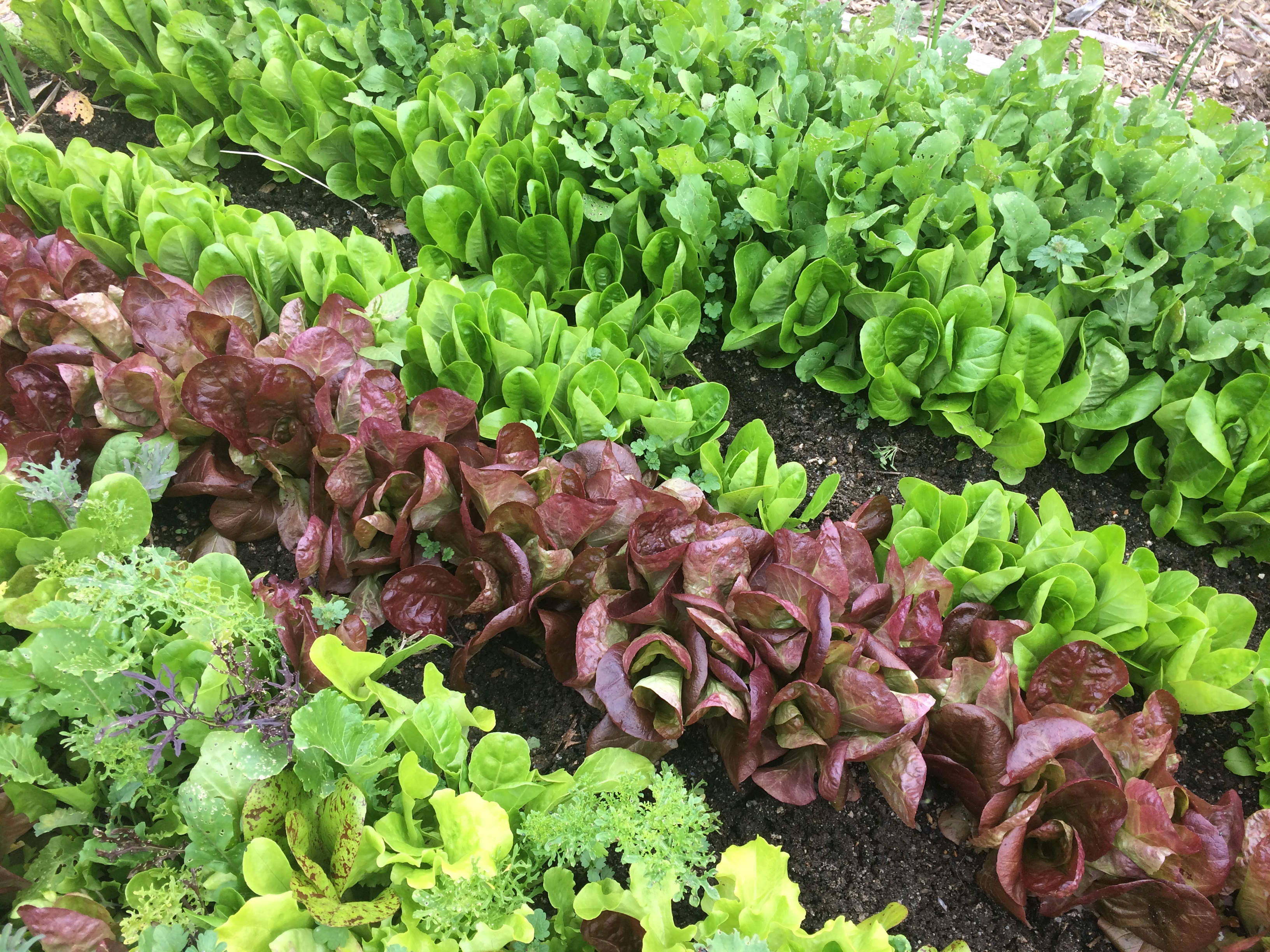
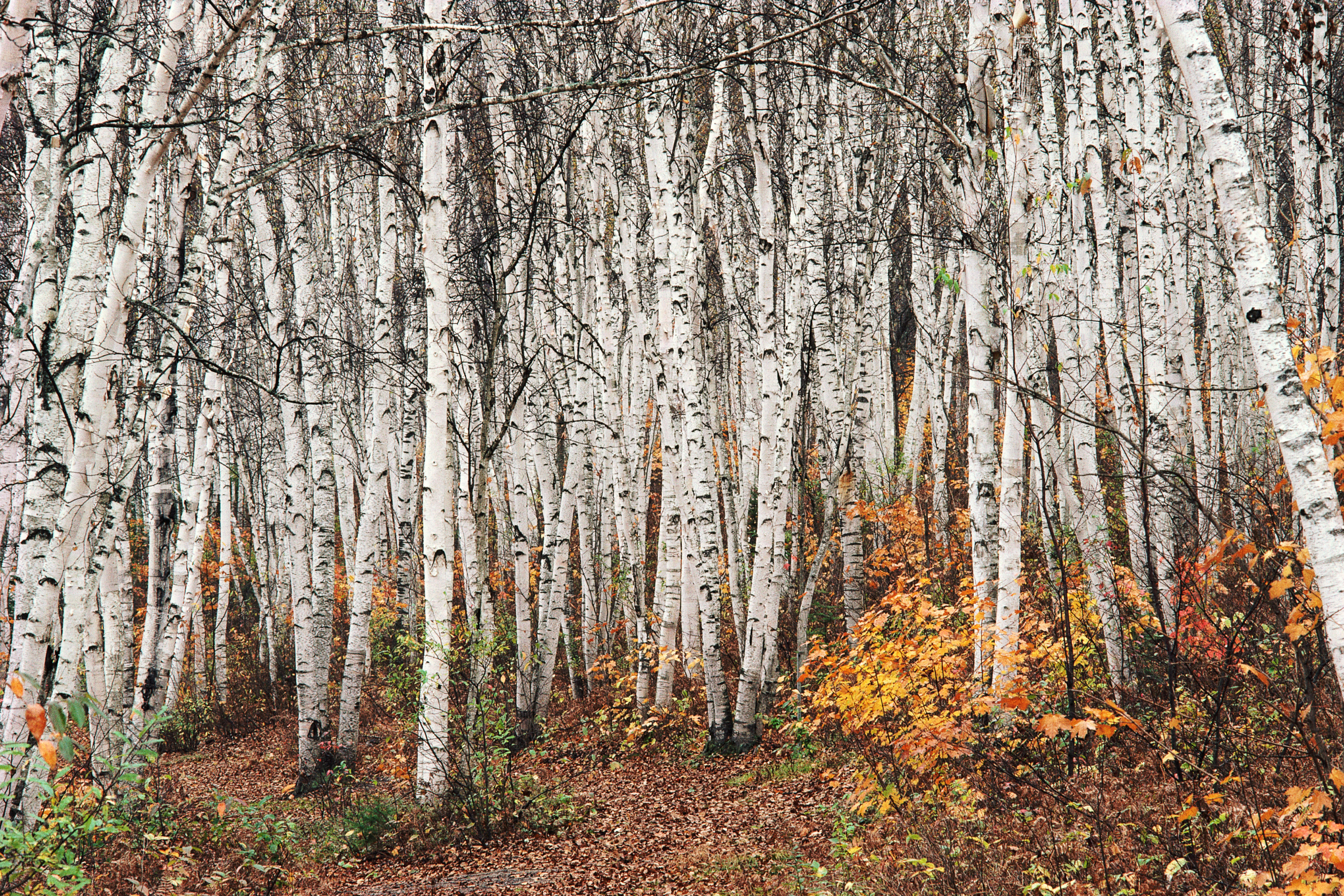
When plants have space:
✔ Roots grow deeper and stronger
✔ Leaves dry quickly after watering
✔ Sunlight reaches every plant
✔ Growth becomes faster and healthier
Spacing alone can dramatically improve how productive a garden becomes.
🌿 What Proper Spacing Actually Does for Your Garden
Giving plants enough room allows them to:
• Absorb nutrients efficiently
• Build strong root systems
• Stay healthier and disease-free
• Grow larger and produce more food
Many beginner gardeners are surprised how much better their plants perform just by planting fewer — not more.
🔁 Why Most Beginners Crowd Plants
Most people overcrowd gardens for a simple reason:
They simply want bigger harvests.
It also feels like the right thing to do.
But in gardening, fewer healthy plants almost always outperform many crowded ones.
Healthy plants produce larger vegetables, stronger growth, and longer harvest seasons.
✅ The Simple Fix That Improves Results Instantly
The solution is easier than most people think.
✔ Always follow spacing instructions on seed packets or plant tags
They’re designed to give plants the room they need.
✔ When in doubt — leave extra space
It may feel empty at first, but plants will eventually grow and fill it in.
Correct spacing is one of the best ways to fix a struggling garden.
🌱 Spacing Is One of the Basics That Matter Most
Most beginner garden problems come from skipping fundamentals like:
• Proper spacing
• Correct watering habits
• Enough sunlight
• Planting at the right time
• Starting with manageable garden sizes
When these basics are right, gardening becomes much easier and far more successful.
Personally, I have experimented with leafy greens and tried growing them close together, because I had leftover seeds. The result wasn’t as bad as you might expect but I only grew lettuce and spinach. I recommend doing some research first and then decide how to space out your garden so it doesn’t backfire.
📋 Free Beginner Gardening Checklist
To help new gardeners avoid the mistakes that ruin most gardens, I created a simple Beginner Gardening Checklist that covers:
✅ Proper plant spacing
✅ Watering basics
✅ When to plant safely
✅ Garden setup tips
✅ Common beginner mistakes
👉 Grab the free checklist here
New to gardening? These beginner guides will help you get started:
– How Much Sun Your Garden Really Needs
– Why Crowded Gardens Struggle
– Why Watering Schedules Kill Plants
– Raised Beds vs Containers vs Ground Gardens
– How Big Your First Garden Should Be
🌿 Final Thought
A crowded garden may look productive — but space is what creates strong, healthy plants.
Plant fewer.
Give them room.
Harvest more.