One of the biggest mistakes beginner gardeners make with culinary herbs is planting everything at the same time. While many herbs love warm spring weather, others actually perform better when planted in cooler fall conditions.
Understanding when to plant culinary herbs helps you:
- Grow healthier plants
- Avoid bolting and poor growth
- Extend your harvest season
- Get better flavor from your herbs
In this guide, we’ll break down which culinary herbs to plant in spring vs fall, and how a culinary herb seed bank can make seasonal planning much easier.
Why Planting Season Matters for Culinary Herbs
Culinary herbs respond strongly to:
- Temperature
- Day length
- Soil warmth
- Moisture levels
Planting herbs in the wrong season can lead to:
- Slow or uneven germination
- Weak plants
- Early flowering (bolting)
- Bitter or poor flavor
Matching herbs to the right season sets your garden up for success.
🌷 Spring Planting: Herbs That Love Warmth
Spring is ideal for herbs that prefer:
- Warm soil
- Longer days
- Active summer growth
Common Spring-Planted Culinary Herbs
- Basil – Thrives in warm weather and full sun
- Oregano – Grows best once soil warms
- Rosemary – Prefers spring planting in most climates
- Sage – Establishes well as temperatures rise
- Thyme – Slow starter but thrives after spring planting
These herbs grow through spring and summer and are harvested frequently.
🍂 Fall Planting: Herbs That Prefer Cooler Conditions
Fall planting is often overlooked but works well for herbs that:
- Tolerate cooler temperatures
- Grow better without summer heat stress
- Benefit from slower growth
Common Fall-Planted Culinary Herbs
- Parsley – Performs best in cool weather
- Cilantro – Bolts quickly in heat, prefers fall
- Chives – Hardy and cool-tolerant
- Dill – Grows well in mild fall climates
- Mint – Establishes well in cooler temperatures
Fall-planted herbs often give early growth the following spring.
🌿 Beginner Tip: Use a Culinary Herb Seed Bank for Both Seasons
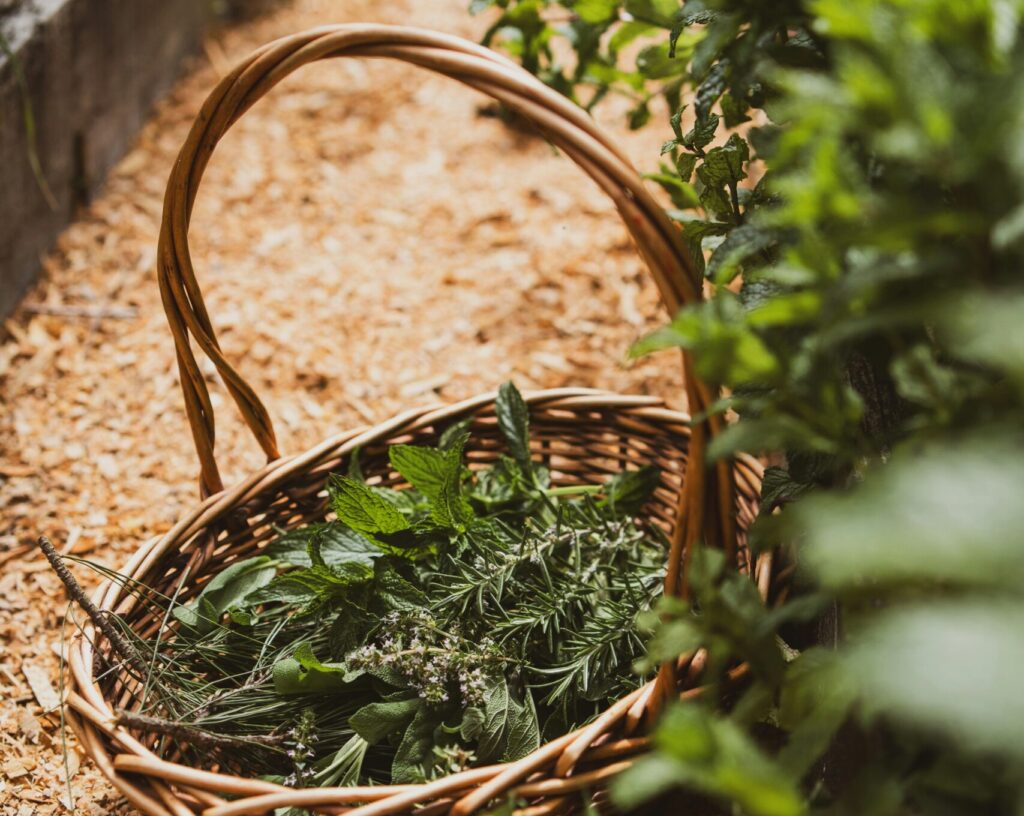
If you’re new to herb gardening, it can be confusing to know which herbs belong in which season. A culinary herb seed bank simplifies this by giving you a variety of herbs that can be planted across spring and fall depending on your climate.
This allows you to:
- Plant some herbs now
- Save others for later
- Avoid buying separate seed packets
A seed bank gives you flexibility without forcing perfect planning.
Can You Grow Culinary Herbs Year-Round?
In mild climates or with container gardening, some herbs can be grown nearly year-round. However, most gardeners benefit from treating spring and fall as two main planting windows.
This approach:
- Reduces plant stress
- Improves flavor
- Extends harvests
- Makes garden work more manageable
How to Transition Between Seasons
To get the most from your herb garden:
✔ Stagger Planting
Don’t plant everything at once — spread planting over seasons.
✔ Use Containers
Containers allow you to move herbs indoors during cold snaps.
✔ Watch Frost Dates
Some herbs tolerate light frost; others do not.
Harvesting Tips by Season
Spring & Summer
- Harvest leaves before flowering
- Pick often to encourage growth
Fall
- Focus on leaf harvests
- Avoid heavy pruning before frost
- Prepare plants for overwintering
Who Seasonal Herb Gardening Is Best For
Planting herbs in both spring and fall is ideal if you:
- Want longer harvest periods
- Enjoy fresh herbs most of the year
- Want better flavor from your herbs
- Prefer steady gardening over one big planting
Using a seed bank makes this approach easier by giving you options for both seasons.
Final Thoughts
Culinary herb gardening doesn’t have to be limited to one season. By understanding the difference between spring and fall planting, you can grow healthier plants and enjoy better harvests.
A culinary herb seed bank helps beginners take advantage of both seasons without overcomplicating planning — making herb gardening simpler and more rewarding.
Click below to check current pricing, seed varieties included, and availability on the official SeedsNow website.
This post may contain affiliate links. If you purchase through them, I may earn a small commission at no extra cost to you.