Starting a culinary herb garden is one of the easiest and most rewarding ways to grow your own food. Fresh herbs elevate everyday meals, save money at the grocery store, and are surprisingly easy to grow — even for beginners.
If you’re new to gardening, the hardest part is often knowing which herbs to grow first. With so many options, it’s easy to overthink it.
This beginner’s guide will walk you through the best herbs to grow in a culinary herb garden and how a culinary herb seed bank can make getting started much simpler.
Why Culinary Herbs Are Perfect for Beginners
Culinary herbs are ideal starter plants because they are:
- Low maintenance
- Fast growing
- Useful almost immediately
- Suitable for containers or garden beds
- Forgiving of small mistakes
Many herbs thrive with minimal care, making them perfect for learning the basics of gardening.
Best Herbs to Grow in a Beginner Culinary Herb Garden
Here are some of the most popular and beginner-friendly herbs to start with:
🌿 Basil
- Great for pasta, pesto, and salads
- Loves warm weather and sunlight
- Grows well in pots or garden beds
🌱 Parsley
- Mild flavor used in many dishes
- Tolerates cooler temperatures
- Grows well indoors or outdoors
🌿 Thyme
- Aromatic and versatile
- Requires little water once established
- Great for roasting and soups
🌱 Oregano
- A staple for Italian and Mediterranean cooking
- Hardy and drought tolerant
- Grows well in containers
🌿 Rosemary
- Woody herb with strong flavor
- Thrives in sunny, dry conditions
- Perfect for meats and potatoes
🌱 Sage
- Excellent for savory dishes
- Low maintenance
- Performs well in pots or raised beds
🌿 Beginner Tip: Start With a Culinary Herb Seed Bank
If you’re just starting out, choosing individual herb seeds can feel overwhelming. A culinary herb seed bank simplifies the process by giving you a curated selection of herbs chosen to grow well together.
This helps beginners:
- Avoid compatibility issues
- Get variety in one purchase
- Save time and planning effort
A seed bank lets you focus on planting and learning instead of researching each herb separately.
Where to Grow Your Culinary Herbs
Culinary herbs are flexible and can grow in many environments:
🪴 Containers
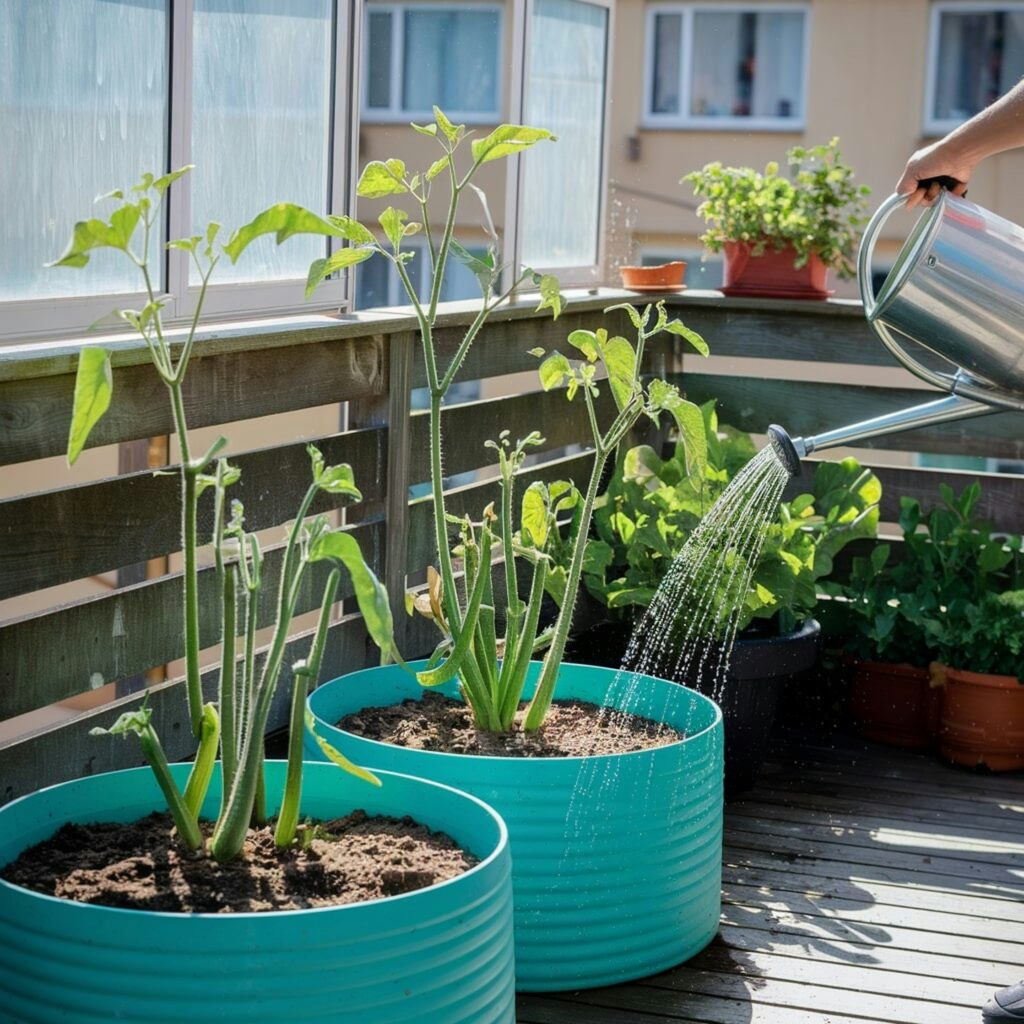
Perfect for patios, balconies, and windowsills.
🌱 Garden Beds
Great if you have outdoor space and want multiple herbs together.
🌿 Raised Beds
Offer good drainage and easy access for harvesting.
Most herbs need:
- 6–8 hours of sunlight
- Well-draining soil
- Moderate watering
Basic Care Tips for Culinary Herbs
☀️ Sunlight
Most herbs prefer full sun, though parsley tolerates partial shade.
💧 Watering
Water regularly but avoid soggy soil — herbs prefer slightly dry conditions.
✂️ Harvesting
Harvest often to encourage new growth and stronger flavor.
Common Beginner Mistakes to Avoid
- Overwatering
- Planting herbs too close together
- Ignoring sunlight needs
- Harvesting too late
Keeping things simple helps prevent most issues.
Who This Approach Is Best For
A beginner culinary herb garden is perfect if you:
- Want fresh herbs for cooking
- Have limited space
- Are new to gardening
- Prefer low-maintenance plants
Using a seed bank makes this process easier by providing a balanced, beginner-friendly selection.
Final Thoughts
Starting a culinary herb garden doesn’t require advanced skills or a large space. With a few well-chosen herbs and basic care, anyone can grow flavorful plants at home.
A culinary herb seed bank offers an easy, organized way to start growing the herbs you’ll actually use — without overthinking the process.
Click below to check current pricing, seed varieties included, and availability on the official SeedsNow website.
This post may contain affiliate links. If you purchase through them, I may earn a small commission at no extra cost to you.