Starting a medicinal herb garden is one of the easiest ways to combine gardening with everyday wellness. Many medicinal herbs are hardy, low-maintenance, and well-suited for home gardens — even for complete beginners.
The biggest challenge for new gardeners isn’t growing herbs, but knowing which ones to start with. In this guide, we’ll cover the best herbs to grow in a beginner medicinal garden, how to group them, and how to get started without feeling overwhelmed.
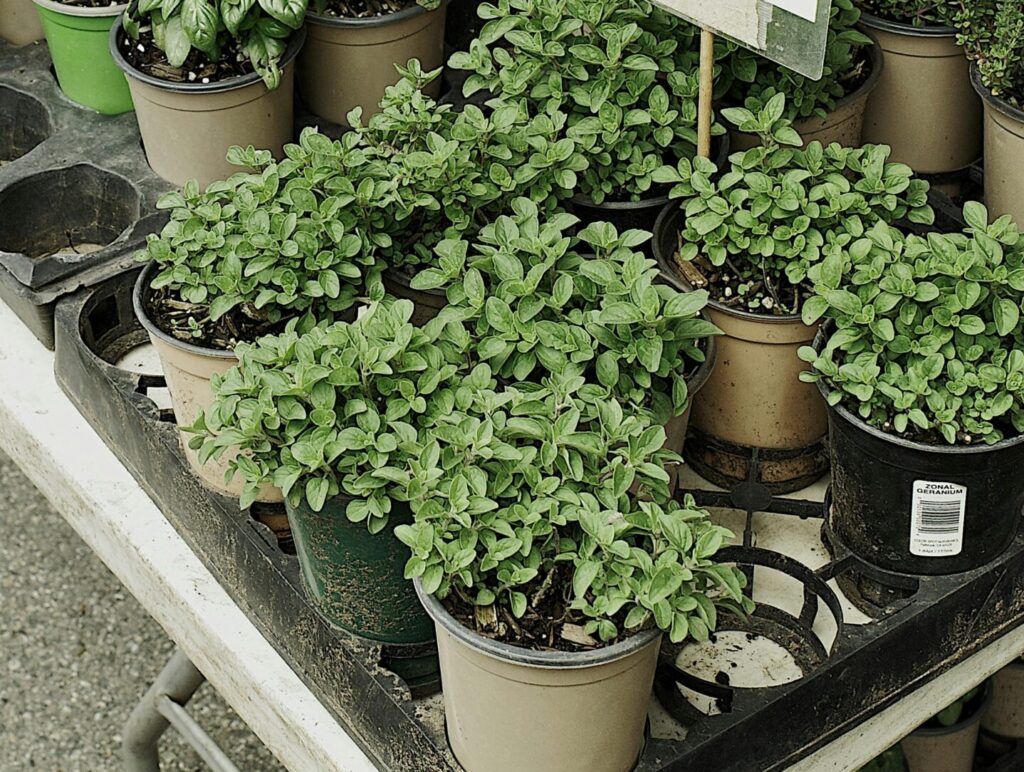
Why Grow a Medicinal Herb Garden?
Medicinal herbs have been used for centuries to support wellness in simple, natural ways. Growing them at home offers several benefits:
- Fresh herbs whenever you need them
- Control over how plants are grown
- Cost savings compared to store-bought herbs
- A deeper connection to your garden
- The ability to dry and store herbs long-term
Many medicinal herbs are also attractive plants, making them a great addition to any garden space.
Best Medicinal Herbs for Beginner Gardeners
When starting out, it’s best to choose herbs that are easy to grow, versatile, and forgiving.
🌿 1. Chamomile
- Known for calming and relaxation teas
- Grows well in full sun
- Easy to harvest flowers
- Self-seeds readily
🌱 2. Calendula
- Traditionally used for skin care
- Bright, cheerful flowers
- Thrives in garden beds or containers
- Blooms continuously when harvested
🌿 3. Lemon Balm
- Calming and uplifting herb
- Very easy to grow
- Prefers partial to full sun
- Can spread quickly (great for containers)
🌱 4. Peppermint or Spearmint
- Digestive support and teas
- Extremely hardy
- Best grown in containers to control spread
- Tolerates partial shade
🌿 5. Echinacea
- Commonly grown for immune support
- Perennial in many climates
- Attracts pollinators
- Requires patience but low maintenance
🌱 6. Sage
- Supports throat and respiratory health
- Drought tolerant once established
- Grows well in containers
- Long-lasting perennial in mild climates
How to Group Medicinal Herbs in Your Garden
To make gardening easier, group herbs with similar needs:
☀️ Sun-Loving Herbs
- Calendula
- Chamomile
- Sage
- Echinacea
🌤️ Partial Shade Herbs
- Lemon balm
- Mint varieties
🪴 Container-Friendly Herbs
- Mint
- Lemon balm
- Sage
Grouping herbs properly reduces stress on plants and simplifies care.
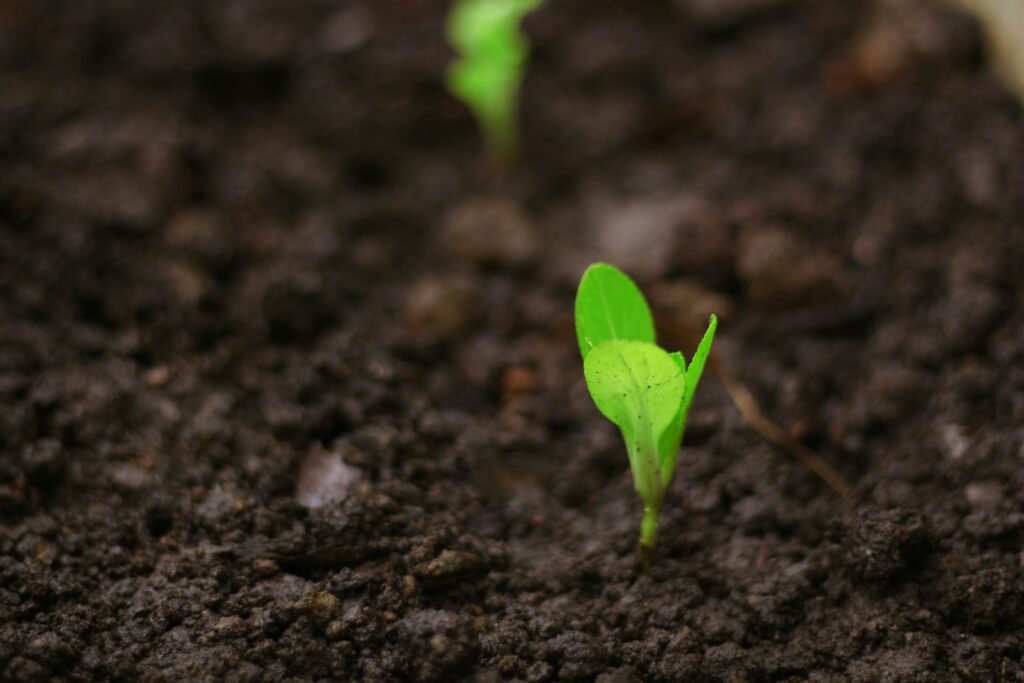
Soil and Watering Basics for Medicinal Herbs
Medicinal herbs generally prefer:
- Well-draining soil
- Moderate watering
- Slightly dry conditions between watering
Overwatering is one of the most common beginner mistakes. When in doubt, let the soil dry slightly before watering again.
When to Harvest Medicinal Herbs
Harvesting at the right time ensures the best flavor and potency:
- Leaves: Before flowering
- Flowers: Just after opening
- Roots: At the end of the growing season
Always harvest gently and never remove more than one-third of the plant at a time.
Drying and Storing Herbs
To preserve herbs:
- Rinse gently and pat dry
- Air-dry in a shaded, well-ventilated area
- Store in airtight containers away from sunlight
Proper storage helps herbs retain their quality for months.
Beginner Tip: Start With a Pre-Selected Herb Kit
If you’re new to medicinal herb gardening, choosing individual seeds can quickly become overwhelming. A pre-selected medicinal herb kit removes the guesswork by giving you a curated mix of herbs that grow well together and are commonly used for wellness.
This makes it easier to start growing without worrying about compatibility, spacing, or season timing.
👉 View the Medicinal Herbal Kit & See What’s Included
That guide walks through what’s included and who it’s best for.
Final Thoughts
Starting a medicinal herb garden doesn’t require expert knowledge or years of experience. With the right herbs and a simple setup, you can grow plants that support wellness while learning valuable gardening skills along the way.
A curated medicinal herb kit is a practical starting point for beginners who want to grow useful herbs without overcomplicating the process.
Click below to check current pricing, seed varieties included, and availability on the official SeedsNow website.
This post may contain affiliate links. If you purchase through them, I may earn a small commission at no extra cost to you.